


View Featured Categories
Frozen Gains: The Surprising Impact of Cold Exposure on Muscle Growth


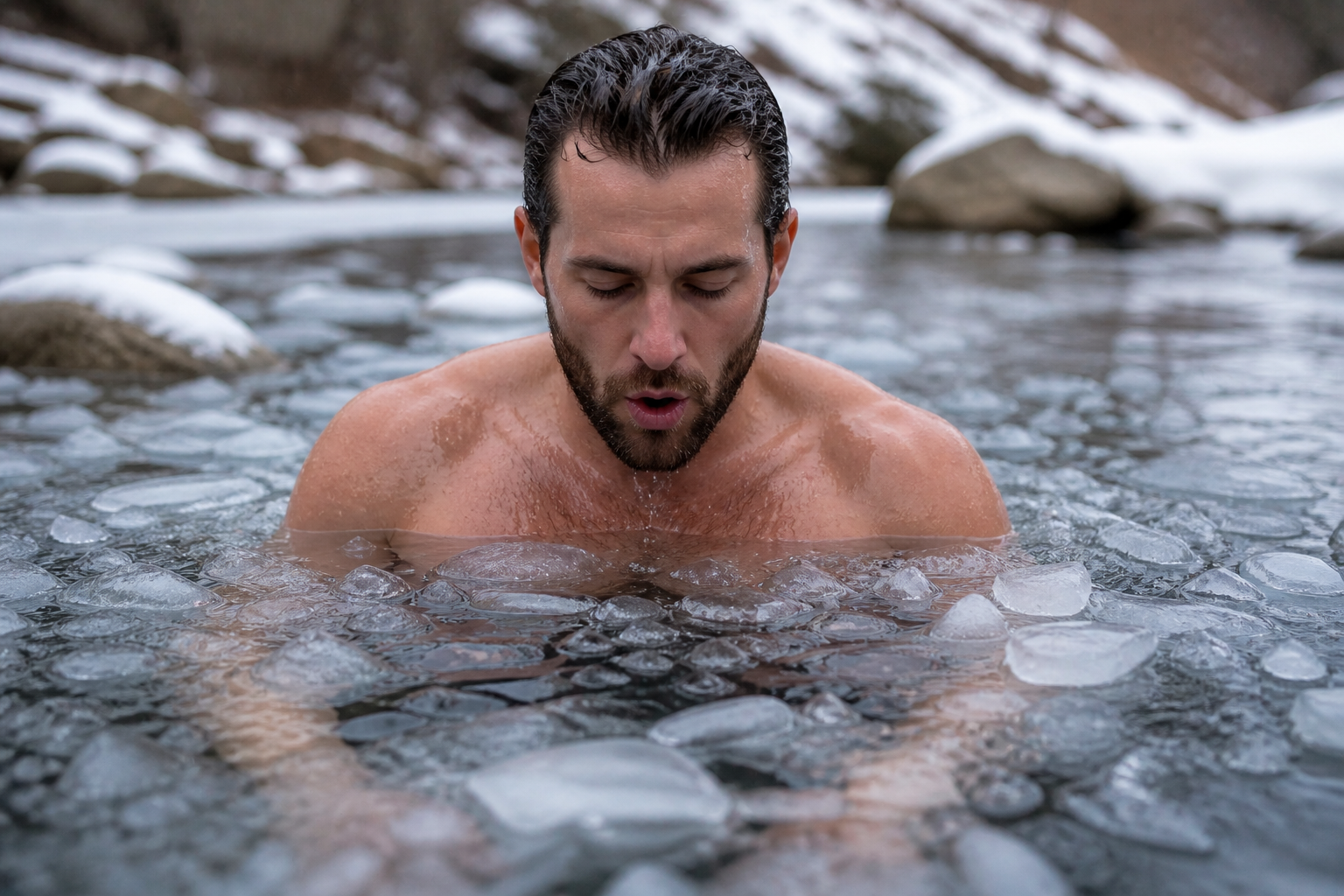
Fitness · Recovery Science
The Cold Truth: How Ice Baths Could Be Undermining Your Muscle Gains
Cold exposure has taken the wellness world by storm. Influencers swear by it. Podcasters champion it. The purported benefits are wide-ranging — improved mental clarity, reduced inflammation, enhanced dopamine release. It's easy to see why ice baths have become a fixture in the routines of athletes and biohackers alike.
But before you fill the tub with ice, there's one significant downside worth understanding: cold exposure may be quietly working against your muscle growth.
What Actually Happens When You Get Cold
When you immerse your body in cold water, your blood vessels constrict to minimize heat loss and maintain your core temperature. For years, this vasoconstriction was celebrated as a uniformly positive effect — less inflammation means better recovery, right?
Not quite. While cold exposure reduces soreness and helps you bounce back faster, research shows it also massively impairs the muscle-building process that a hard workout is supposed to trigger.
Why Muscles Need Inflammation to Grow
After an intense workout, your body doesn't simply rest — it works overtime to repair damaged muscle fibers and rebuild them stronger than before. This process depends on blood flow and a controlled inflammatory response. Despite inflammation's bad reputation, temporary post-exercise inflammation is essential for cellular repair and adaptation.
Cold exposure disrupts exactly this process. Research has shown that post-exercise cold water immersion attenuates acute anabolic signaling — essentially turning down the volume on the growth signals your workout just switched on — and leads to fewer long-term gains in both muscle size and strength. The same blunting effect applies to anti-inflammatory drugs like ibuprofen taken after training.
Post-exercise cold water immersion attenuates acute anabolic signalling and long-term adaptations in muscle to strength training.
— Roberts et al., The Journal of Physiology, 2015Recovery vs. Growth: Know Your Goal
This is where it gets nuanced — and where your personal goals matter enormously. Cold exposure doesn't have a single right answer for every athlete.
Goal: Performance & Recovery
If your priority is to perform, recover fast, and perform again — cold exposure can be a powerful tool. Reduced soreness means you can train more frequently.
Goal: Maximum Muscle Growth
If building muscle is your primary objective, regular cold exposure — especially right after training — may be quietly undoing a portion of your hard work.
Timing Is Everything
The good news: you don't have to choose between cold exposure and muscle growth if you're strategic about timing. Experts believe the growth-blunting effect of cold diminishes as time passes after a workout. If you're set on taking the plunge, consider either doing it before your training session or waiting at least 6–8 hours afterward.
Cold Exposure Timing Guidelines
- Before your workout: No interference with post-exercise muscle signaling
- 0–2 hours post-workout: Highest risk of blunting muscle growth — avoid if hypertrophy is your goal
- 6–8+ hours post-workout: Growth-blunting effect diminishes significantly — safer window for cold exposure
The Bottom Line
Cold exposure is a legitimate wellness tool — but it's not without trade-offs. If maximizing muscle growth is your goal, limit cold immersion immediately after training and lean into more evidence-backed recovery methods: quality sleep, solid nutrition, and a smart training program. If you still want the mental and physical benefits of cold, simply time it right. Chill out — just not right after you've put in the work.
References
- Roberts, L. A., Raastad, T., Markworth, J. F., et al. (2015). Post-exercise cold water immersion attenuates acute anabolic signalling and long-term adaptations in muscle to strength training. The Journal of Physiology, 593(18), 4285–4301. doi.org/10.1113/JP270570
- Tseng, C. Y., Lee, J. P., Tsai, Y. S., et al. (2013). Topical cooling (icing) delays recovery from eccentric exercise-induced muscle damage. Journal of Strength and Conditioning Research, 27(5), 1354–1361. doi.org/10.1519/JSC.0b013e318267a22c
This content is for informational purposes only and is not intended to diagnose, treat, cure, or prevent any disease. Always consult a qualified healthcare provider before making changes to your training or recovery routine.


