

View Featured Categories
Beyond Chemo: 10 Alternative Compounds That Fight Cancer


Integrative Oncology · Holistic Support
10 Promising Compounds Supporting the Body's Fight Against Cancer
As cancer care evolves, more attention is turning to gentler, more holistic ways to support the body alongside traditional treatments. Researchers are not only exploring cutting-edge therapies but also revisiting existing drugs and natural substances for their surprising potential against cancer.
Whether facing radiation, chemotherapy, surgery, or making major lifestyle changes, the goal is the same: slow or stop cancer's progression while helping the body fight back. Many of these approaches work in part by supporting the immune system, so your own natural killer cells are better able to recognize, target, and clear out unwelcome guests in the body.
Some promising off-label and natural compounds have shown potential to slow or block the growth and division of cancer cells, interfere with signals that drive cancer cell survival, encourage abnormal cells to shut down, and strengthen the body's own immune defenses.
These compounds may help
- Slow or block the growth and division of cancer cells
- Reduce the spread of cancer by acting on fast-growing cells
- Interfere with cell signals that tell cancer cells to grow and survive
- Encourage damaged or abnormal cells to shut down and die
- Support and strengthen the body's own immune defenses against cancer
1. Ivermectin
Initially used as an antiparasitic drug, ivermectin has demonstrated anticancer properties that researchers are actively studying. Its mechanisms include disrupting the blood supply to cancer cells — effectively starving them — preventing the development of new cancer cells, and reversing multidrug resistance. It may also help certain chemotherapy drugs work more effectively and promote cancer cell death through the autophagy pathway.1
2. Mebendazole
Like ivermectin, mebendazole is showing anticancer properties well beyond its original antiparasitic use. It disrupts the formation of microtubules that cancer cells use to multiply, inhibits the formation of new blood vessels to tumors (depriving them of oxygen and nutrients), synergizes with conventional chemotherapy and radiation, and downregulates proteins that protect tumors from cell death.2
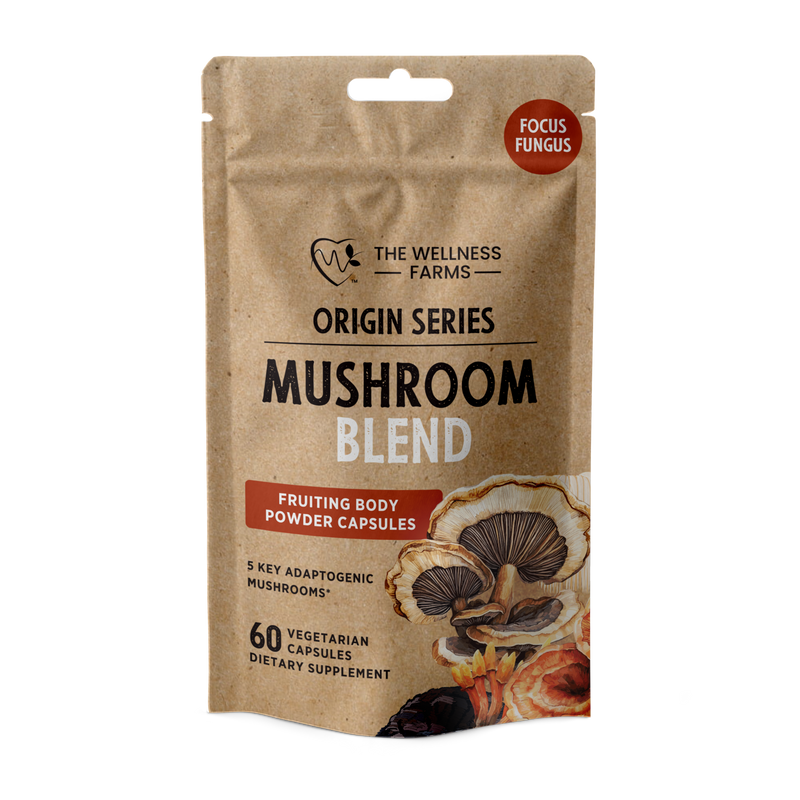
3. Mushrooms: Reishi and Turkey Tail
Used traditionally in Japan and China for centuries, reishi and turkey tail mushrooms have well-documented immune-supporting and anticancer properties. Compounds in these mushrooms bind to receptors on immune cells and activate them, boosting the function of natural killer cells, T cells, and macrophages — all of which play key roles in fighting cancer. They also enhance cytokine production, exert anti-tumor effects through programmed cell death, and in some cases increase the effectiveness of traditional chemotherapeutic drugs.3
4. Olive Leaf Extract
Rich in polyphenols, olive leaf extract shows particular promise in hormone-related cancers. It possesses powerful anti-inflammatory properties and helps protect against free radicals, which may contribute to the initiation and development of cancers.4
5. Green Tea Extract
Green tea is widely known to contain potent anticancer compounds. These compounds induce the death of cancer cells while leaving healthy cells relatively unaffected, help stop the spread of cancer by blocking pro-cancer pathways, inhibit the formation of new blood vessels in tumors, and modulate signaling pathways that lead to cancer cell death and prevent further replication.5
6. Methylene Blue
This repurposed drug — initially used to treat malaria — is now being studied in combination with photodynamic therapy, which uses light to activate and destroy cancer cells. It can flood cells with oxygen (cancer cells often thrive in low-oxygen environments), reduce oxidative stress, protect mitochondria, and regulate healthy cell survival.6
7. Berberine
Found in goldenseal, barberry, Oregon grape, and other plants, berberine is often called "nature's metformin" for its ability to improve insulin sensitivity and lower blood sugar levels. It has also demonstrated potential anticancer effects by modulating signaling pathways that inhibit cell proliferation, inducing cell death, cutting off the blood supply to tumors, regulating gut microbiota to support a more robust immune system, and enhancing the effects of other anti-tumor drugs.7
8. Turmeric (Curcumin)
When paired with black pepper to increase absorption, curcumin — extracted from the rhizomes of the turmeric plant — has been shown to downregulate signaling pathways in cancer-causing cells, reduce chronic inflammation (a hallmark of cancer), help regulate immune system markers related to oxidative stress and cellular metabolism, and mitigate radiation-induced oxidative stress and DNA damage.8
9. Metformin
This widely prescribed antidiabetic drug has shown significant potential as an anticancer agent. It lowers insulin levels, inhibits key tumor growth pathways, suppresses cancer stem cells to reduce the spread of cancer, and reduces blood supply to tumors — contributing to cancer cell death.9
10. Dandelion Root
Known as the bane of manicured lawns, dandelion root has a long history in folk medicine. It has recently gained attention not only for supporting detoxification pathways, but also for activating multiple death-signaling pathways in colorectal cancer cells, suppressing gastric cancer cell proliferation and migration, and offering a potential non-toxic anticancer option that may help reduce the occurrence of drug-resistant cancer.10,11
Featured Product · Daily Defense
Off-Label Consultation · Prescription Support
The Integrative Approach
The compounds reviewed here represent a growing body of research into how existing drugs and natural substances can complement conventional cancer care. From repurposed antiparasitic medications to centuries-old medicinal mushrooms, these agents share a common thread: supporting the body's own defenses, disrupting cancer's growth strategies, and working alongside — rather than against — established treatments. Always consult a qualified healthcare professional before adding any new compound to a cancer care protocol.
References
- Tang, M., et al. (2021). Ivermectin, a potential anticancer drug derived from an antiparasitic drug. Pharmacological Research, 163, 105207. https://doi.org/10.1016/j.phrs.2020.105207
- Guerini, A. E., et al. (2019). Mebendazole as a Candidate for Drug Repurposing in Oncology: An Extensive Review of Current Literature. Cancers, 11(9), 1284. https://doi.org/10.3390/cancers11091284
- Guggenheim, A. G., Wright, K. M., & Zwickey, H. L. (2014). Immune Modulation From Five Major Mushrooms: Application to Integrative Oncology. Integrative Medicine (Encinitas, Calif.), 13(1), 32–44.
- Boss, A., et al. (2016). Evidence to Support the Anti-Cancer Effect of Olive Leaf Extract and Future Directions. Nutrients, 8(8), 513. https://doi.org/10.3390/nu8080513
- Farhan M. (2022). Green Tea Catechins: Nature's Way of Preventing and Treating Cancer. International Journal of Molecular Sciences, 23(18), 10713. https://doi.org/10.3390/ijms231810713
- Garcia-Padilla, C., García-Serrano, D., & Franco, D. (2025). Methylene Blue Increases Active Mitochondria and Cellular Survival Through Modulation of miR16–UPR Signaling Axis. Journal of Molecular Pathology, 6(3), 16. https://doi.org/10.3390/jmp6030016
- Almatroodi, S. A., Alsahli, M. A., & Rahmani, A. H. (2022). Berberine: An Important Emphasis on Its Anticancer Effects through Modulation of Various Cell Signaling Pathways. Molecules, 27(18), 5889. https://doi.org/10.3390/molecules27185889
- Cozmin, M., et al. (2024). Turmeric: from spice to cure. A review of the anti-cancer, radioprotective and anti-inflammatory effects of turmeric sourced compounds. Frontiers in Nutrition, 11, 1399888. https://doi.org/10.3389/fnut.2024.1399888
- Munzenmayer, C. (2025). Metformin's anticancer odyssey: Multifaceted mechanisms. Biochimie, 233, 1–15. https://doi.org/10.1016/j.biochi.2025.106789
- Ovadje, P., et al. (2016). Dandelion root extract affects colorectal cancer proliferation and survival through the activation of multiple death signalling pathways. Oncotarget, 7(45), 73080–73100. https://doi.org/10.18632/oncotarget.11485
- You, S., et al. (2018). Dandelion root extract suppressed gastric cancer cells proliferation and migration through targeting TNF-α/AKT/ERK signaling pathway. Biomedicine & Pharmacotherapy, 98, 204–211. https://doi.org/10.1016/j.biopha.2017.12.042
Author
Disclaimer: This content is for informational purposes only and is not intended as medical advice, diagnosis, or treatment. The compounds discussed have not been approved by the FDA for the treatment of cancer unless otherwise noted. Always consult a qualified healthcare professional before starting, stopping, or changing any treatment or supplement regimen, particularly in the context of a serious medical condition such as cancer.