


View Featured Categories
Why Doctors Fear the 2026 Tick Surge


Health & Safety Alert
The Four Most Dangerous Tick-Borne Diseases — And the One Drug That Treats Them All
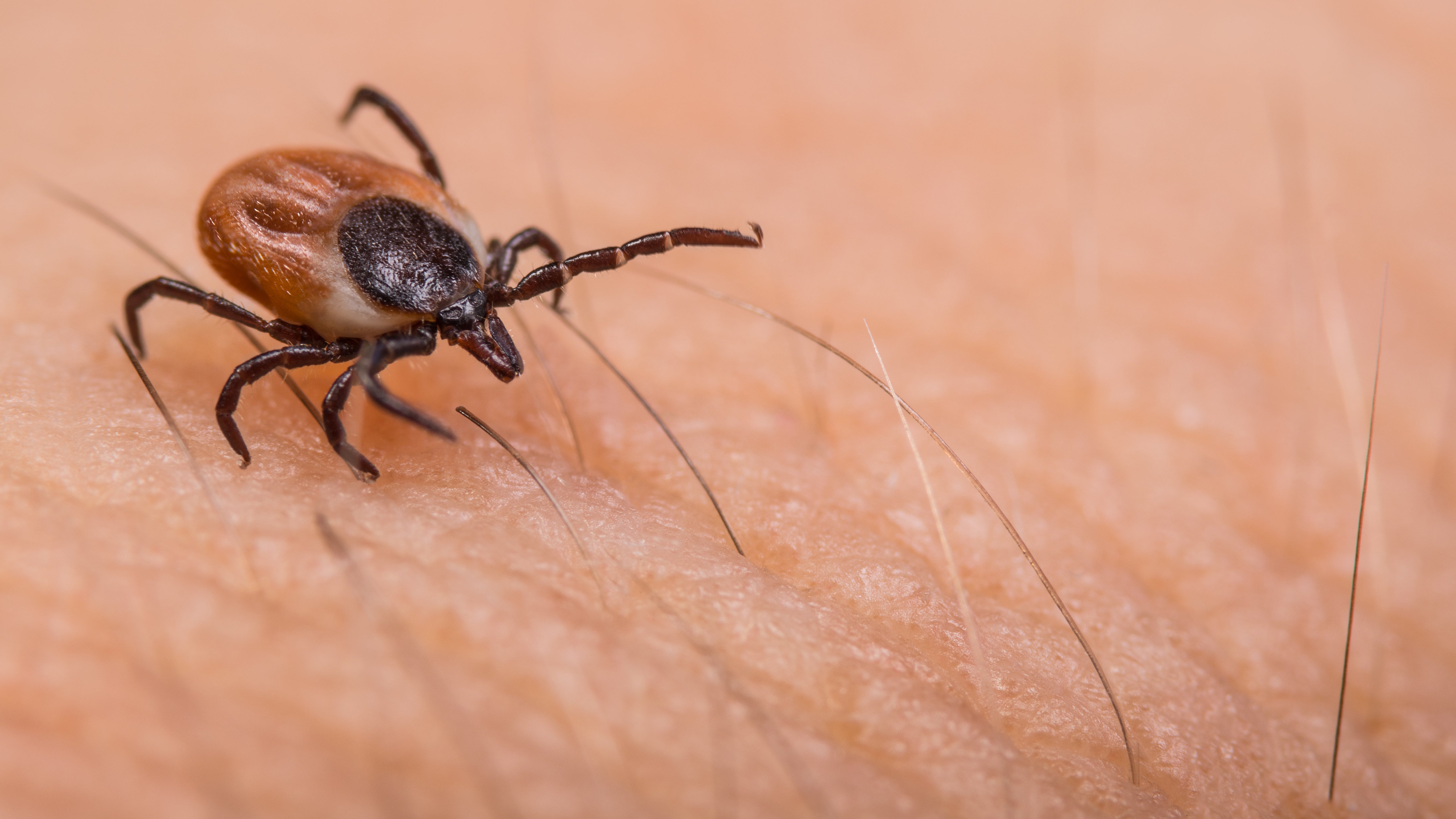
Tick season is intensifying across the U.S. — and experts are sounding the alarm. Warmer early-spring temperatures combined with heavy snowfall have created ideal conditions for a massive explosion in tick populations, pushing these disease-carrying parasites into new regions and record numbers.
Whether you're hiking, gardening, or simply spending time outdoors, understanding the four most common tick-borne illnesses — their symptoms, their risks, and how to treat them — could make a life-or-death difference. Here's what you need to know.
"We are seeing more ticks in more places and carrying more and more diseases."
— Joellen Lampman, Tick IPM Coordinator, Cornell University
Disease #1: Lyme Disease
Lyme disease is the most common tick-borne infection in the U.S., with an estimated 476,000 cases annually and confirmed cases in all 50 states. Carried by the black-legged tick, it is found mostly in the Upper Midwest, parts of the South, the Eastern U.S., and western states including California, Oregon, and Washington. The tick usually needs to be attached for at least 24 hours to transmit the infection — prompt removal can significantly reduce the risk.
Early Signs & Symptoms (3–30 Days After Bite)
- Fever, chills, headache, fatigue
- Muscle and joint aches
- Bull's-eye rash (appears in ~70% of patients; may also present as a nonspecific rash)
Treatment: A single prophylactic dose of doxycycline can prevent infection when taken promptly after a bite.
Disease #2 & #3: Anaplasmosis & Ehrlichiosis
These two closely related diseases are transmitted by infected ticks — a deer tick for anaplasmosis and a lone star tick for ehrlichiosis. Both are primarily found in the Northeastern, Upper Midwestern, and South-Central/Southeastern United States. Symptoms typically appear within 14 days of the tick bite and can progress to severe disease if not treated promptly — especially in older or immunocompromised adults.
Symptoms
- Fever and headache
- Malaise and muscle aches
- Flu-like illness that can rapidly escalate
Treatment: Doxycycline, continued until fever resolves. Early antibiotic therapy is strongly recommended and should not be delayed.
Disease #4: Rocky Mountain Spotted Fever
Rocky Mountain spotted fever (RMSF) is a potentially fatal bacterial disease transmitted by the American dog tick, Rocky Mountain wood tick, and brown dog tick. Despite its name, over 60% of cases are concentrated in North Carolina, Tennessee, Missouri, Arkansas, and Oklahoma.
Symptoms
- Rash onset 1–4 days after fever begins
- Body aches and severe headache
- Can rapidly progress to a life-threatening stage
Treatment: Doxycycline should be initiated promptly and must not be delayed pending lab confirmation. Early treatment greatly reduces mortality.
Caused by a Tick Bite — But Not an Infection: Alpha-Gal Syndrome
Alpha-gal syndrome is a serious, potentially life-threatening allergic condition triggered by a lone star tick bite. It sensitizes the immune system to alpha-gal — a carbohydrate found in beef, pork, lamb, dairy, and some medications. Cases are heavily concentrated in Virginia, Kentucky, Arkansas, Missouri, and Tennessee, with increasing reports in New York and New England.
Key Facts
- Reactions typically occur several hours after ingesting trigger foods
- Repeated bites may increase the severity of reactions
- No cure — management requires avoiding trigger foods and preventing further bites
Management: Carry an epinephrine auto-injector (EpiPen) for severe reactions. Antihistamines can manage mild symptoms.
Prevention & Post-Bite Steps
Remove attached ticks as soon as possible using fine-tipped tweezers, grasping close to the skin and pulling straight out. This reduces — but does not eliminate — the risk of infection. If exposure to Lyme disease, anaplasmosis, ehrlichiosis, or Rocky Mountain spotted fever is suspected, begin doxycycline under medical supervision immediately.
Remove the Tick
Use fine-tipped tweezers, grasp close to the skin, and pull straight out. Prompt removal reduces risk.
Watch for Symptoms
Monitor for fever, headache, muscle aches, fatigue, or neurologic changes over the next 30 days.
Use Repellents
Apply DEET or permethrin on clothing. Tuck pants into socks and perform daily tick checks.
Start Doxycycline Early
If tick-borne illness exposure is suspected, begin doxycycline under medical supervision without delay.

Key Takeaway
Four of the most dangerous tick-borne diseases — Lyme disease, anaplasmosis, ehrlichiosis, and Rocky Mountain spotted fever — are all treatable with a single antibiotic: doxycycline. Early treatment is critical. Do not wait for lab confirmation. Alpha-gal syndrome requires a different approach: avoidance of trigger foods and carrying an epinephrine auto-injector for emergencies.
References
- Cornell, S. (2026, March 30). It's shaping up to be a bad tick season. TIME.
- Centers for Disease Control and Prevention. (2024, May 2). Lyme disease. CDC.gov.
- Mayo Clinic. (2024). Ehrlichiosis. MayoClinic.org.
- Centers for Disease Control and Prevention. (2024, June 14). Rocky Mountain spotted fever. CDC.gov.
- Cleveland Clinic. (2024). Alpha-gal syndrome. ClevelandClinic.org.
Author
This article is for informational purposes only and does not constitute medical advice. Always consult a licensed healthcare provider before starting any medication or treatment, including doxycycline. If you suspect a tick-borne illness, seek medical attention promptly. In cases of severe allergic reaction, call 911 immediately.


