


View Featured Categories
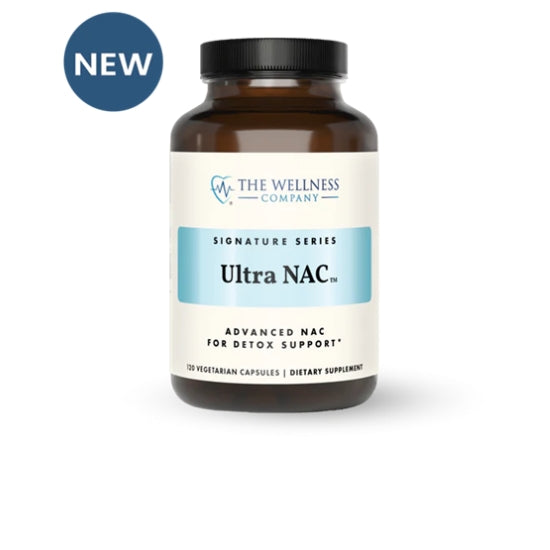
Ultra NAC, the Perfect Complement to Ultimate Spike Detox


Long COVID · Vaccine Injury Recovery
Ultra NAC: Seven Ingredients, Three Mechanisms, One Comprehensive Recovery Protocol
When dealing with long COVID or vaccine injury, detoxifying harmful free radicals is essential — but it is only part of the story. As your body recovers from the devastating effects of either condition, it needs specific building blocks to regain health: tools to clear damaged cells, fortify defenses, and rebuild new, healthy tissue.
Ultra NAC was formulated to provide exactly that. Its seven ingredients work in synergy to address the overlapping pathologies of long COVID and vaccine injury — targeting oxidative stress, spike protein persistence, inflammation, and the detoxification burden that recovery places on the body.
Here is how each ingredient works, why they were chosen together, and what the underlying science says about their combined effect.
Targeted Relief: Three Mechanisms, Seven Ingredients
The combination of Ultra NAC's seven ingredients is designed to address three distinct but interconnected mechanisms that drive long COVID and post-vaccine pathology.
Oxidative Stress & Mitochondrial Dysfunction
NAC and Glutathione provide raw antioxidant power; Selenium activates the enzymes that put that power to work.
Spike Protein Persistence & Inflammation
Quercetin, Zinc, and NAC target viral components directly to reduce persistence and chronic inflammatory signaling.
Enzymatic & Detoxification Support
Molybdenum clears toxic sulfite byproducts; Silymarin (Milk Thistle) supports liver clearance and protects hepatic tissue.
How Each Ingredient Works
Each of the seven ingredients in Ultra NAC was selected for its specific role in the recovery process. Together they form a complete protocol — but understanding each one individually reveals why the formula is built the way it is.
1. Zinc
Zinc works as a modulator of the immune system and carries powerful antiviral properties. It inhibits the enzyme coronaviruses use to replicate. In long COVID, zinc deficiency acts as a bottleneck for immune function — preventing the resolution of chronic inflammation and leaving the immune system unable to fully clear viral remnants.
2. Selenium
Without selenium, glutathione cannot neutralize free radicals. Research indicates that SARS-CoV-2 depletes selenium in order to produce viral proteins, creating what researchers have termed "acquired selenium deficiency." This deficiency is linked to hyper-coagulation and increased severity of illness — making selenium repletion a foundational step in recovery.
3. Molybdenum
Molybdenum is the "cleanup crew" for sulfur metabolism. It is the essential cofactor for Sulfite Oxidase (SUOX), the enzyme that converts toxic sulfites (SO₃) into harmless sulfates (SO₄). This ingredient is included specifically to support the high doses of sulfur-containing antioxidants (NAC and Glutathione) in this protocol.
"Without adequate molybdenum, increasing sulfur intake can lead to sulfite toxicity — causing headaches, brain fog, and flushing often mistaken for a detox reaction."
— Ultra NAC Formulation Rationale4. N-Acetylcysteine (NAC)
NAC's Three Key Roles
- Glutathione Precursor: Provides the cysteine needed to synthesize glutathione intracellularly
- Disulfide Bond Disruption: In vitro studies suggest NAC may disrupt bonds that hold the SARS-CoV-2 spike protein together, potentially reducing its ability to bind to ACE2 receptors
- Anti-Inflammatory Mucolytic: Breaks down mucus and reduces IL-6, a key cytokine associated with the cytokine storm and chronic post-viral inflammation
5. Milk Thistle Seed Extract (Silymarin)
Silymarin is a hepatoprotectant — it blocks toxins from entering liver cells and stimulates protein synthesis for liver repair. Emerging research suggests silymarin may also bind directly to the ACE2 receptor, potentially blocking viral entry and replication. As the body processes spike proteins and viral debris, the liver's detoxification load increases significantly; silymarin directly supports this clearance phase.
6. Liposomal Glutathione
Glutathione is the body's master antioxidant. The liposomal form encapsulates the molecule in a lipid layer, allowing it to bypass digestive destruction and enter cells directly. Long COVID patients often show severe glutathione depletion. While NAC helps the body produce glutathione endogenously, liposomal glutathione delivers it directly to exhausted cells — providing immediate antioxidant support when the body's own synthesis is compromised.
7. Quercetin Dihydrate
Quercetin's Three Distinct Actions
- Zinc Ionophore: Opens channels in cell membranes, allowing ionic zinc to enter cells where it can inhibit viral replication
- Anti-Inflammatory: Inhibits histamine release — particularly relevant for long COVID patients with Mast Cell Activation Syndrome (MCAS)
- Senolytic Activity: Helps clear "senescent" (zombie) cells that persist after infection and drive chronic inflammation
Synergy: Better Together
The real power of Ultra NAC lies not in any single ingredient but in how they interact. Two synergistic systems in particular define the formula's efficacy and safety profile.
The Zinc Shuttling System (Quercetin + Zinc)
Zinc is water-soluble; cell membranes are made of fat. Quercetin acts as the transport vehicle (ionophore) that carries ionic zinc across the fat-soluble membrane. This dramatically raises intracellular zinc levels, enabling viral replication inhibition and immune signaling regulation that would not be possible with zinc alone.
The Sulfur Detoxification Chain (NAC + Glutathione + Selenium + Molybdenum)
NAC and Glutathione flood the body with antioxidant capacity. Selenium binds to glutathione to form Glutathione Peroxidase — the active enzyme that neutralizes oxidative damage. Molybdenum then activates Sulfite Oxidase to clear the neurotoxic sulfite byproducts generated in the process. Each step depends on the one before it.
The Bottom Line
Recovery from long COVID and vaccine injury is not a single-target problem. It involves oxidative depletion, viral persistence, immune dysregulation, chronic inflammation, and an overtaxed detoxification system — often all at once. Ultra NAC addresses each of these with a carefully sequenced, synergistic protocol. Paired with Ultimate Spike Detox, it gives your body what it needs to begin the journey back to how you felt before.
References
- Velthuis AJ, van den Worm SH, Sims AC, Baric RS, Snijder EJ, van Hemert MJ. (2010). Zn(2+) inhibits coronavirus and arterivirus RNA polymerase activity in vitro and zinc ionophores block the replication of these viruses in cell culture. PLoS Pathog. 6(11):e1001176. https://doi.org/10.1371/journal.ppat.1001176
- Hiffler L, Rakotoambinina B. (2020). Selenium and selenoprotein deficiency in COVID-19: a plausible etiopathogenic mechanism for acute respiratory distress syndrome? Med Hypotheses. 143:109878. https://doi.org/10.1016/j.mehy.2020.109878
- Oliphant KD, Fettig RR, Snoozy J, Mendel RR, Warnhoff K. (2023). Obtaining the necessary molybdenum cofactor for sulfite oxidase activity in the nematode C. elegans surprisingly involves a dietary source. J Biol Chem. 299(1):102736. https://doi.org/10.1016/j.jbc.2022.102736
- Mukwevho E, Ferreira Z, Ayeleso A. (2014). Potential role of sulfur-containing antioxidant systems in highly oxidative environments. Molecules. 19(12):19376–19389. https://doi.org/10.3390/molecules191219376
- Bavarsad Shahripour R, Harrigan MR, Alexandrov AV. (2014). N-acetylcysteine (NAC) in neurological disorders: mechanisms of action and therapeutic opportunities. Brain Behav. 4(2):108–122. https://doi.org/10.1002/brb3.208
- Murae M, Shimizu Y, Yamamoto Y, et al. (2022). The function of SARS-CoV-2 spike protein is impaired by disulfide-bond disruption with mutation at cysteine-488 and by thiol-reactive N-acetyl-cysteine and glutathione. Biochem Biophys Res Commun. 597:30–36. https://doi.org/10.1016/j.bbrc.2022.01.106
- Izquierdo-Alonso JL, Pérez-Rial S, Rivera CG, Peces-Barba G. (2022). N-acetylcysteine for prevention and treatment of COVID-19: current state of evidence and future directions. J Infect Public Health. 15(12):1477–1483. https://doi.org/10.1016/j.jiph.2022.11.009
- Mechanistic review on silibinin/silymarin in COVID-19. Silymarin may block the protein–protein interaction between viral spike glycoprotein and host ACE2 at the receptor-binding domain interface.
- Musazadeh V, Karimi A, Bagheri N, et al. (2022). The favorable impacts of silibinin polyphenols as adjunctive therapy in reducing the complications of COVID-19. Biomed Pharmacother. 154:113593. https://doi.org/10.1016/j.biopha.2022.113593
- Glassman I, Le N, Mirhosseini M, et al. (2023). The role of glutathione in prevention of COVID-19 immunothrombosis: a review. Front Biosci (Landmark Ed). 28(3):59. https://doi.org/10.31083/j.fbl2803059
- Saccon TD, Nagpal R, Yadav H, et al. (2021). Senolytic combination of dasatinib and quercetin alleviates intestinal senescence and inflammation and modulates the gut microbiome in aged mice. J Gerontol A Biol Sci Med Sci. 76(11):1895–1905. https://doi.org/10.1093/gerona/glab002
- Glassman I, Le N, Mirhosseini M, et al. (2023). The role of glutathione in prevention of COVID-19 immunothrombosis: a review. Front Biosci (Landmark Ed). 28(3):59. https://doi.org/10.31083/j.fbl2803059
- Taylor EW, Radding W. (2020). Understanding selenium and glutathione as antiviral factors in COVID-19. Front Nutr. 7:143. https://doi.org/10.3389/fnut.2020.00143
- Zaki MS, Selim L, El-Bassyouni HT, et al. (2016). Molybdenum cofactor and isolated sulphite oxidase deficiencies: clinical and molecular spectrum among Egyptian patients. Eur J Paediatr Neurol. 20(5):714–722. https://doi.org/10.1016/j.ejpn.2016.05.011
Author
These statements have not been evaluated by the Food and Drug Administration. This product is not intended to diagnose, treat, cure, or prevent any disease. The information provided in this article is for educational purposes only and does not constitute medical advice. Always consult a qualified healthcare professional before beginning any supplement protocol, particularly if you are taking prescription medications, have a diagnosed medical condition, or are pregnant or nursing.


