


View Featured Categories
Holistic Guide to Cardiopulmonary Health


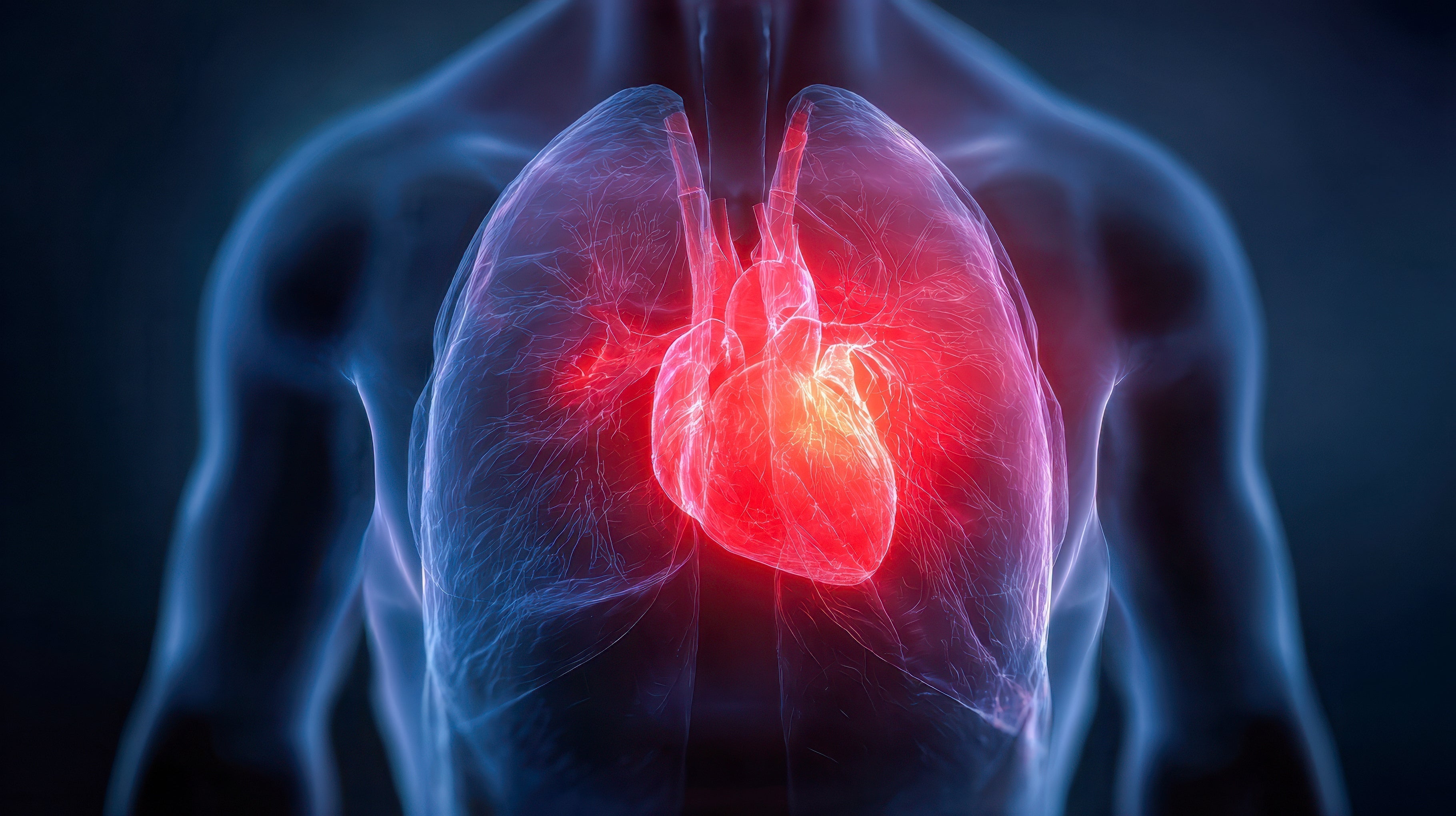
Heart & Lung Health · Holistic Wellness
Holistic Guide to Cardiopulmonary Health
You probably don't think much about your heart and lungs—until one of them stops working the way it should. Every breath you take and every heartbeat you feel are part of an extraordinary partnership. Your lungs pull oxygen from the air, while your heart delivers that oxygen to nearly every cell in your body. Neither system can function without the other.
When one begins to struggle, the other is forced to compensate. That's why cardiopulmonary health isn't just about preventing heart disease or protecting your lungs—it's about maintaining the health of two organ systems that work together every second of every day to keep you alive. Understanding how the heart and lungs support one another, and how inflammation, poor sleep, chronic stress, nutrition, exercise, and even environmental exposures can affect both, can help you make informed decisions that support long-term health.
What Is Cardiopulmonary Health?
Cardiopulmonary health refers to the teamwork of the heart and lungs. The lungs deliver oxygen to the body via the arteries and remove metabolic waste, carbon dioxide, via the venous system, which is then exhaled. The heart and lungs also work together to handle physical, emotional, and illness-related stress through the autonomic nervous system. (1) Cardiovascular disease is the number one killer of adults in the United States—in 2023, 919,032 people died from cardiovascular disease, approximately 32% of all deaths, most from heart attacks and strokes. (1,2) Chronic respiratory diseases, primarily COPD and emphysema, kill up to 145,000 people in the United States annually. (3)
Shared Risk Factors
Smoking, a sedentary lifestyle, stress, poor diet, metabolic syndrome, and exposure to toxins are all known to contribute to both heart and lung disease. (1,2,3,4)
How the Two Systems Work Together
The endothelium, a thin layer of cells lining the blood vessels, helps regulate blood flow throughout the body. When it doesn't function properly ("endothelial dysfunction"), blood vessels can't widen as they should, reducing blood flow to the heart and lungs and resulting in arterial stiffness—a condition that makes it harder for the heart to pump blood, increasing blood pressure. Tiny blood vessels called capillaries deliver oxygen to the heart and lungs; when they become damaged, less blood reaches these organs, reducing their function. Together, endothelial dysfunction, arterial stiffness, and damaged capillaries reduce both cardiac output and pulmonary perfusion, forcing both organs to work harder. Chronic lung diseases such as COPD make it harder for blood to absorb oxygen, forcing the right side of the heart to pump harder to push blood through damaged or high-pressure lung vessels. (5)
The Dangers of Inflammation
Low-grade inflammation keeps the body in a constant state of alarm, which can damage healthy tissues and organs.
Inflammation and the Heart
Inflammation releases chemical signals that indicate injury. The body responds by sending cholesterol and immune cells to repair the damage—but when these cells form fatty plaques that harden, they narrow blood vessels and cause vascular stiffening. (6)
Inflammation and the Lungs
Inflammatory chemicals irritate airway and lung sac tissues. Over time, continued irritation can permanently narrow the airways, reducing air exchange and lung function, so less oxygen enters the bloodstream even during deep breathing. (6)
Mitochondrial Function and Stiff Tissue
Mitochondria are the "powerhouses" of cells, converting nutrients into energy (ATP) through cellular respiration. Both the heart and lungs require massive amounts of energy to function. The heart muscle is packed with mitochondria; when mitochondria fail to produce enough energy, the heart muscle cannot pump efficiently, and if this energy deficit continues, it can eventually lead to heart failure. The cells lining the blood vessels in the lungs also depend on mitochondrial energy to maintain normal blood pressure—when they don't get enough, the vessels narrow, forcing the right side of the heart to pump against greater resistance, which can result in pulmonary hypertension. (7,8,9) When mitochondria chronically fail to produce enough energy, both the heart and lungs can begin replacing healthy tissue with stiff scar tissue, a process known as fibrosis. (10)
Autonomic Balance, Sleep & Stress
The sympathetic nervous system, part of the autonomic nervous system, is commonly known as the "fight-or-flight" system. When it is chronically activated by sleep deprivation or frequent sleep interruptions, it can damage blood vessels, increase the risk of hypertension and heart failure, and worsen dyspnea in patients with existing cardiopulmonary disease. (11) Chronic stress is considered one of the primary drivers of heart disease once other lifestyle factors have been ruled out.
How to Get a Good Night's Sleep
Get outside within an hour of sunrise. Turn off screens an hour before bedtime. Avoid strenuous exercise or alcohol/caffeine late in the day. Stop eating three hours before bed. Try light stretching, such as yoga. Aim for at least seven hours nightly, at a consistent time. (12)
Managing Stress
Exercise, socializing, talking with a trusted friend, and counseling are all worthwhile options. Adaptogens such as Rhodiola rosea are among the most extensively studied and have a long history of use to support stress management. (13)
Nutrition and Physical Activity
A whole-food, plant-rich diet centered on vegetables, fruits, legumes, whole grains, nuts, seeds, and omega-3-rich foods, including cold-water fish, is associated with a lower risk of cardiovascular and respiratory disease. An anti-inflammatory eating pattern—limiting added sugars and trans fats while emphasizing Mediterranean-style foods—may also reduce cardiovascular disease risk. (14)
Aerobic exercise, such as brisk walking, cycling, or swimming, improves endothelial function, blood pressure, and lipid profiles, and can also improve mood and reduce stress. According to World Health Organization guidelines, 150-300 minutes of moderate-intensity aerobic exercise per week can reduce the risk of cardiovascular disease by up to 40%. Combining aerobic exercise with resistance training can improve functional ability and quality of life in people with heart and lung disease. If you're beginning a new exercise program, consult your primary care provider first. (15)
Holistic and Integrative Practices
Breathwork
Diaphragmatic breathing and pursed-lip breathing improve oxygenation and have been shown to reduce blood pressure. (16,17)
Mind-Body Interventions
Meditation, yoga, and tai chi can help shift the autonomic nervous system from "fight-or-flight" to "rest-and-digest" mode, lowering blood pressure and cortisol and improving overall quality of life. (18)
Supplements for Heart and Lung Health
A variety of supplements show promise as adjuncts to medication, when appropriate, or as alternatives in conjunction with a healthy lifestyle. Some may increase bleeding time or interact with medications, so always check with your primary care provider before starting anything new. (19,20)
Omega-3s (EPA/DHA)
Shown to reduce inflammation and may help lower cholesterol; associated with better lung function and lower risk of chronic lung disease. (14,20)
Coenzyme Q10
Supports mitochondrial function in people taking statins and may improve the heart's ejection fraction, allowing it to pump more efficiently.
Fiber
Higher intake of soluble fiber (oats, beans, peas, fruits) and insoluble fiber (wheat bran, whole grains, unpeeled produce, nuts) is associated with lower cardiovascular risk and better blood sugar control.
Garlic, Magnesium & Vitamin D
Garlic may modestly reduce blood pressure and LDL cholesterol. Magnesium supports blood pressure regulation and heart rhythm. Vitamin D deficiency is linked to increased cardiovascular risk.
N-Acetylcysteine (NAC)
A precursor to glutathione, the body's "master antioxidant." Some studies show NAC may reduce exacerbations in people with chronic bronchitis or COPD.
A Note About Microplastics
Microplastics and nanoplastics (MNPs) have been linked to cardiovascular health risks. Research suggests they can infiltrate tissues, trigger inflammation, disrupt the endocrine system, and contribute to other health concerns. (20) A landmark 2024 New England Journal of Medicine study found that patients with MNPs in their arterial plaque experienced cardiovascular events at a rate 4.5 times higher than those without detectable MNPs. (21) Certain probiotic strains—specifically Lacticaseibacillus paracasei DT66 and Lactiplantibacillus plantarum DT88—can adsorb and help excrete microplastics. While this hasn't been directly linked to cardiopulmonary health, their ability to reduce in vivo MNP exposure is promising. (22,23)
Healthy Habits, One Step at a Time
Building a foundation of healthy habits through diet, exercise, adequate, high-quality sleep, stress reduction, supplementation, and, when appropriate, medication can help optimize your health. Start slowly, make sustainable changes, and always consult your healthcare provider before beginning any new diet, exercise program, or supplement regimen.
Featured Product

Healthy Heart / Cardiovascular Support
Keep Your Hardest-Working Muscle Strong
This clinical-grade formula includes taurine, beet root, and grapeseed extract—nutrients researched for their potential to support cardiovascular health and healthy blood flow, complementing the lifestyle strategies in this article.
Shop NowYou Might Also Be Interested In
References
- Canadian Cancer Society / NCI Dictionary of Cancer Terms. Definition of cardiopulmonary. https://www.cancer.gov/publications/dictionaries/cancer-terms/def/cardiopulmonary
- World Health Organization. (2025). Cardiovascular diseases (CVDs). https://www.who.int/news-room/fact-sheets/detail/cardiovascular-diseases-(cvds)
- Centers for Disease Control and Prevention. (2026, May 11). About respiratory illnesses. https://www.cdc.gov/respiratory-viruses/about/index.html
- Bhardwaj, A., et al. (2024). Global burden of chronic respiratory diseases and risk factors, 1990-2019. The Lancet Regional Health Americas, 4, 100093.
- Karnati, S., Seimetz, M., Kleefeldt, F., et al. (2021). Chronic Obstructive Pulmonary Disease and the Cardiovascular System. Frontiers in Cardiovascular Medicine, 8, 649512. https://doi.org/10.3389/fcvm.2021.649512
- Lee, H. M., Truong, S. T., & Wong, N. D. (2011). Evidence of lung function for stratification of cardiovascular disease risk. Korean Circulation Journal, 41(4), 171-174. https://doi.org/10.4070/kcj.2011.41.4.171
- Garcia-Flores, A., Marciano, D., Franco, M. C., et al. (2024). Mitochondrial network dynamics in pulmonary disease. Pulmonary Pharmacology & Therapeutics, 84, 102607.
- British Heart Foundation. (2025, July 8). Inflammation: What is it, and how does it affect the heart?
- Centers for Disease Control and Prevention. About respiratory illnesses. https://www.cdc.gov/respiratory-viruses/about/index.html
- Murtha, L. A., Schuliga, M. J., Mabotuwana, N. S., et al. (2017). The Processes and Mechanisms of Cardiac and Pulmonary Fibrosis. Frontiers in Physiology, 8, 777. https://doi.org/10.3389/fphys.2017.00777
- Sá Gomes E Farias, A. V., de Lima Cavalcanti, M. P., et al. (2022). The association between sleep deprivation and arterial pressure variations. Sleep Medicine: X, 4, 100042.
- Baranwal N, Yu PK, Siegel NS. Sleep physiology, pathophysiology, and sleep hygiene. Prog Cardiovasc Dis. 2023 Mar-Apr;77:59-69. PMID: 36841492.
- Panossian, A., & Wikman, G. (2010). Effects of Adaptogens on the Central Nervous System. Pharmaceuticals, 3(1), 188-224. https://doi.org/10.3390/ph3010188
- Chen, W., Zhang, S., Hu, X., et al. (2023). A Review of Healthy Dietary Choices for Cardiovascular Disease. Nutrients, 15(23), 4898. https://doi.org/10.3390/nu15234898
- Tucker, W. J., Fegers-Wustrow, I., Halle, M., et al. Journal of the American College of Cardiology, 80. https://doi.org/10.1016/j.jacc.2022.07.004
- Nguyen, J. D., & Duong, H. (2025). Pursed-lip breathing. In StatPearls. https://www.ncbi.nlm.nih.gov/books/NBK545289/
- Cleveland Clinic. (2023, August 27). Diaphragmatic breathing exercises & benefits.
- Ganguly, A., Hulke, S. M., Bharshanakar, R., et al. (2020). Effect of meditation on autonomic function in healthy individuals. Journal of Family Medicine and Primary Care, 9(8), 3944-3948.
- Eilat-Adar, S., Sinai, T., Yosefy, C., & Henkin, Y. (2013). Nutritional recommendations for cardiovascular disease prevention. Nutrients, 5(9), 3646-3683.
- Jati Srigiri, R., Oliveri, F., et al. (2023). Advances in the Use of N-Acetylcysteine in Chronic Respiratory Diseases. Antioxidants, 12(9), 1789.
- Zheng, H., Vidili, G., Casu, G., et al. (2024). Microplastics and nanoplastics in cardiovascular disease. Frontiers in Toxicology, 6, 1479292.
- Marfella R, Prattichizzo F, Sardu C, et al. Microplastics and Nanoplastics in Atheromas and Cardiovascular Events. N Engl J Med. 2024 Mar 7;390(10):900-910. PMID: 38446676.
- Teng, X., Zhang, T., & Rao, C. (2025). Novel probiotics adsorbing and excreting microplastics in vivo. Frontiers in Microbiology, 15, 1522794.
Author


