


View Featured Categories
Inside a Wildfire: A Firefighter's Guide to Evacuation and Emergency Preparedness


Emergency Preparedness · Expert Interview
Fires, no matter where you live, often come with little warning and leave behind widespread destruction. Many times, fires displace residents, leaving them without their lifesaving medications.
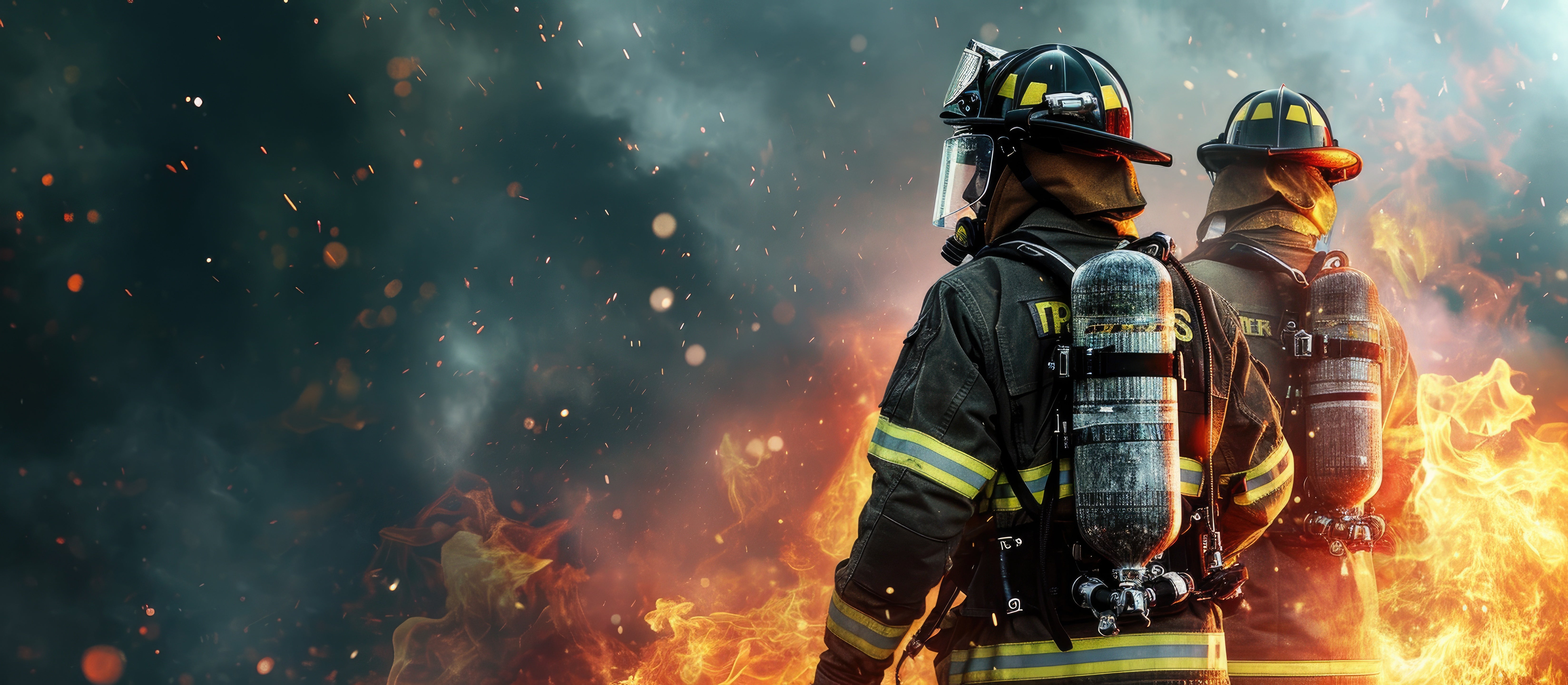
We interviewed a firefighter who works on wildfires, and he shared some excellent first-hand knowledge. Below are his responses to our questions.
What are most people least prepared for in a fire or evacuation?
The biggest thing I see is that people underestimate how quickly a fire can spread and how little time they may have to evacuate. Many people assume they'll have time to gather important documents, family photos, medications, pet supplies, and sentimental items. In reality, conditions can change in minutes. By the time they realize they need to leave, they're often forced to evacuate immediately, leaving many of those items behind.
Every Minute Counts
That's why preparation before an emergency is so important. Having a plan and knowing exactly what you'll take can make all the difference when every minute counts.
What's your advice on how to prepare—supplies, skills, laminated maps?
Have a plan before you need one. Every family should have a designated meeting location, or "rally point," in case family members are separated during an evacuation. Know multiple evacuation routes out of your neighborhood and practice them.
Keep a go-bag ready with at least 24 to 72 hours' worth of essentials, including medications, water, food, hygiene items, important documents, chargers, pet supplies, and basic first-aid supplies. If someone in your household has a medical condition, make sure their medications and equipment are easily accessible.
I also recommend signing up for local emergency notification systems, keeping digital copies of important documents, and maintaining a printed or laminated map of your area in case cell service or GPS becomes unavailable.
What supplies should households in a wildfire zone have on hand?
At a minimum, households in wildfire-prone areas should have the following.
- Emergency water and nonperishable food for you and your pets.
- A first aid kit.
- At least several days' worth of prescription medications.
- Flashlights and extra batteries.
- Portable phone chargers or power banks.
- N95 masks to help protect against smoke exposure.
- Pet food and pet supplies.
- Copies of important documents.
- Emergency cash.
I also encourage residents to familiarize themselves with their community's evacuation plan and emergency exits. Many communities have designated evacuation routes that residents should know before an emergency occurs.
Describe a situation an emergency kit could have easily solved.
I've seen families evacuate their homes with little notice and end up staying with relatives or in temporary housing hundreds of miles away. In those situations, something as simple as a sinus infection, urinary tract infection, or other common illness can quickly become a major problem. Accessing healthcare can become difficult during a disaster.
Insurance may not transfer easily, local providers may not know your medical history, and appointments may be unavailable. Having a medical kit with essential medications and supplies can help bridge that gap and prevent a manageable medical issue from becoming a serious emergency.
What do you personally carry when deployed to a fire?
I carry a medical emergency kit on every wildland deployment. During fire season, I travel throughout the United States and often work in remote areas where medical care may be hours away.
"Having immediate access to medications, first-aid supplies, and emergency medical resources allows me to address health concerns quickly without leaving the incident scene. When you're working long hours in isolated environments, preparedness isn't optional—it's essential."
— Wildland Firefighter, Interviewed for The WELLAnything else you'd like people to know?
Preparedness conversations are critical, even if they seem unnecessary at the time. You'll never regret knowing where your important documents are, having extra medications available, establishing a family rally point, or creating an evacuation plan.
The best time to prepare is before an emergency happens. Disasters are stressful enough without having to make important decisions in the moment. A little preparation today can provide tremendous peace of mind tomorrow.
The Takeaway
A fire can leave you with minutes, not hours, to act. A rally point, a practiced evacuation route, a go-bag, and easy access to medications and medical supplies are what separate a manageable emergency from a genuine crisis. Prepare before you need to.
Featured Product

Field Emergency Kit / Go-Bag Essential
More Than a First Aid Kit—Emergency Readiness
A waterproof, crush-resistant case packed with over 25 emergency essentials, from antibiotics to allergy medication, built to bridge the gap when normal medical access is cut off—exactly the kind of preparedness this interview describes.
Shop NowYou Might Also Be Interested In
Author


