


View Featured Categories
The Body's First Line of Defense: The Immune System



Wellness · Immune Health
Until the late 1980s very little was known about the immune system — how it worked, and what kept it healthy. Recent advancements in science have enabled researchers to explore the intricate workings of the immune system — a system that was once thought of as a very simple, linear set of reactions to stimuli or pathogens. Our understanding has just scratched the surface. As we learn more, the precepts on which we have built this framework will shift and change, adapting to a more thorough understanding of this fascinating topic.
Your immune system is your body's security team. It protects you from germs such as bacteria, viruses, and parasites that can make you sick. When a foreign substance (called an antigen) enters your body, immune cells respond by making antibodies — special proteins that recognize and bind to that antigen. [1]
Two Main Types of Immunity
Healthy immunity is all about balance: you want strong enough defenses to destroy harmful germs and remove harmful substances, but not such an aggressive response that it damages your own tissues or reacts to normally harmless substances. [1]
Innate Immunity
Your first line of defense. It includes barriers like skin and mucus, plus white blood cell responses that act quickly when an invader is present. [2]
Adaptive Immunity
Slower to start but much more targeted. It involves B and T cells that recognize particular antigens and build immune memory, so you're better prepared for repeat exposures.
Vaccines rely on this adaptive system, teaching your body to recognize certain germs without causing full‑blown disease. [3]
Allergies: Innate and Adaptive Both at Work
An allergy occurs when your immune system treats a harmless substance — like pollen, dust mites, pet dander, or certain foods — as if it were a dangerous invader. These harmless triggers are called allergens. [4]
The innate immune system serves as a frontline alert. Cells in your skin, airways, and gut encounter the allergen first and can release alarm signals (like cytokines) that mistakenly tell the rest of the immune system that the harmless substance is dangerous. [4]
The adaptive immune system is then triggered by those innate alarms. Specialized cells in the adaptive system (specifically B cells) mass‑produce allergen‑specific IgE antibodies. The next time you are exposed to that exact allergen, these antibodies cause cells to release histamine, resulting in classic symptoms like a runny nose, sneezing, rashes, watery eyes, or hives. [4]
Common Allergies
Respiratory Allergies
Hay fever (allergic rhinitis) and some types of asthma often show up as sneezing, nasal congestion, runny nose, or wheezing, and may be triggered by pollen, mold, dust mites, or animal dander. More significant reactions can involve intense hives, swelling, or asthma symptoms that may need prescription medications or inhalers. [4]
Skin Allergies
Can look like eczema, contact dermatitis, or hives. They may be triggered by soaps, detergents, metals like nickel, plants, or foods. [4]
Food Allergies
Happen when the immune system reacts to proteins in foods like peanuts, shellfish, milk, wheat, or eggs. Symptoms may affect the skin, gut, or breathing. [4]
Anaphylaxis
A severe, whole‑body allergic reaction that can be triggered by any allergen, though foods, medications, insect stings or bites, and latex are the most common causes. Symptoms include shortness of breath, throat swelling, and a dangerous drop in blood pressure. This is a medical emergency that requires epinephrine (like an EpiPen) and immediate medical care. [4]
Autoimmune Diseases
Autoimmune diseases occur when the immune system mistakenly attacks the body's own tissues rather than external invaders. There are over 100 known autoimmune diseases; some of the most common include rheumatoid arthritis, psoriasis, Hashimoto's thyroiditis, and lupus. Autoimmune disease management is complex and requires a comprehensive approach. Just like other types of immune and allergic reactions, lifestyle factors, stress reduction, sleep quality, and diet can help manage symptoms. [5]
Low‑dose naltrexone is sometimes prescribed to help manage autoimmune conditions due to its potential immune‑modulating and anti‑inflammatory effects. [6]
Decrease Allergic Response
The best way to avoid an allergic reaction is to avoid known allergens. In many cases, this isn't fully possible. Below are steps you can take to reduce allergic reactions by decreasing exposure:[7]
Steps to Reduce Allergen Exposure
- Keep pollen out by shutting car and home windows during peak seasons and running HEPA filters to reduce allergens
- Shower promptly and change clothes after spending time outdoors, since clothing can trap allergens
- For dust mites and mold, cover mattresses and pillows in zippered allergen‑proof covers, wash bedding in hot water, and keep humidity under 50%
- Keep pets out of your sleeping areas and bathe them weekly to reduce dander
- For food allergies, always read labels and avoid foods that trigger allergic reactions
Medications like antihistamines and nasal corticosteroids can help control symptoms, and allergy immunotherapy (allergy shots or tablets) may gradually reduce sensitivity over time. Check with your care provider for guidance. [7]
Fortify Your Immune System
Viruses and bacteria are opportunistic. They look for weak spots in your immune system's armor and invade. Be on the offense by:
Sleep
Aim for 7 to 9 hours of quality sleep nightly. Sleep deprivation reduces natural killer cell activity and antibody production, leaving you more vulnerable to viral infections. [8]
Nutrition
Focus on a varied diet rich in vegetables, fruits, nuts, and lean proteins. Critical immunomodulatory nutrients include vitamin C, vitamin D, zinc, and selenium. [8]
Exercise
Engage in at least 150 minutes of moderate activity per week. Regular physical activity improves blood circulation, which helps immune cells patrol the body more effectively. [8]
Stress
Practice stress‑reduction techniques to help regulate cortisol production. Prolonged high cortisol can suppress your immune response and contribute to systemic inflammation. [8]
Gut Health
Eat fiber‑rich and fermented foods to cultivate healthy gut bacteria. Your gut microbiome directly communicates with immune cells and helps maintain your intestinal barrier against pathogens.[8]
Targeted Supplements for Immune Balance
Targeted supplements can support immune balance, especially during high‑allergy seasons. Ingredients like quercetin, vitamin C, zinc, N‑acetylcysteine (NAC), stinging nettle, and specific botanicals have been studied for their roles in modulating inflammation, supporting respiratory health, and influencing histamine responses. [9]
Viral and Bacterial Infections
Nasal and throat sprays can help support nose and throat health and improve overall immune response. Viruses enter the body primarily through mucous membranes like the nose, mouth, eyes, or, less frequently, through the genitals and breaks in the skin. They do this by attaching to specific cell receptors in the nasal cavity and upper palate. They can enter the body through inhaling airborne droplets, touching contaminated surfaces followed by touching the face, consuming tainted food, or through insect (such as tick) bites. [10]
Immune and Allergy Support Supplements
These supplements have been studied to help relieve allergy symptoms, support the immune system, and regulate oxidative stress.
Barrier and clearance support for both allergies and pathogens. Saline, xylitol, erythritol, and grapefruit seed extract help physically remove allergens and pathogens from nasal passages and support healthier sinus tissues. This reduces the amount of allergen contact with the mucosal immune system in the nose. [11,12,13]
Histamine and inflammation modulation. Flavonoids like quercetin and luteolin (from perilla) can help stabilize mast cells and regulate histamine release, which are key drivers of allergy symptoms. These compounds also have anti‑inflammatory actions that may make immune responses more controlled and less damaging. [14]
Immune cell and antioxidant support. Nutrients such as vitamin C, vitamin D3, zinc, copper, and reishi mushroom support the functioning of immune cells and antioxidant defenses. Stronger, better‑regulated immunity can help the body fight infections effectively while reducing the risk of chronic overreaction to allergens. [15,16]
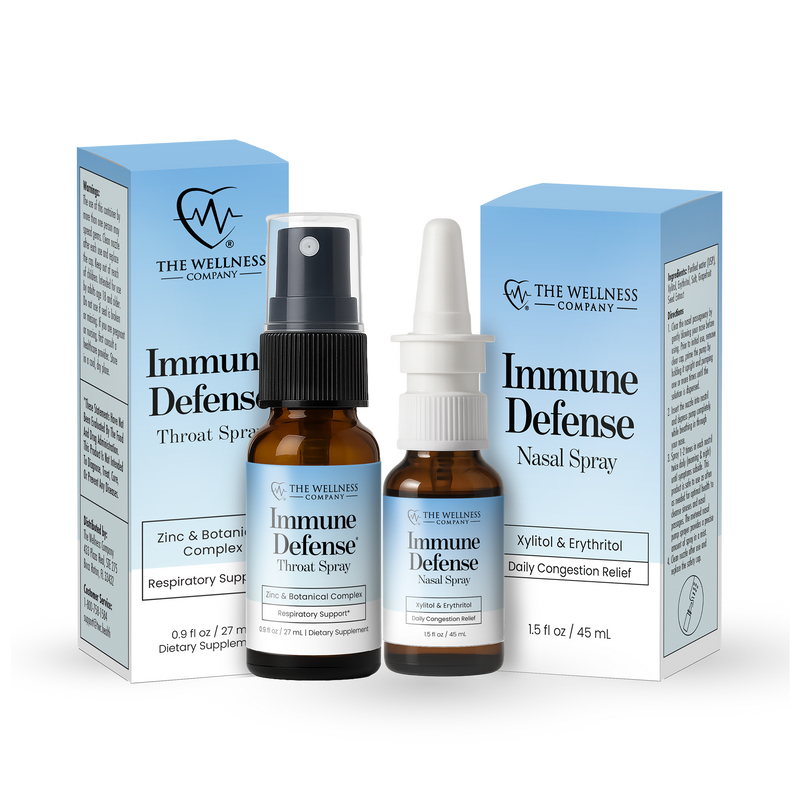
Formulas that combine these exact mechanisms — a barrier‑clearing nasal spray plus a zinc‑and‑flavonoid throat spray — give the nose and throat targeted, daily support without relying on drying decongestants, which is the idea behind Immune Defense Nasal + Throat Sprays below.
A Holistic Approach
A robust immune system can help reduce allergies and illness through lifestyle, nutrition, targeted supplementation, and reduced exposure to allergens and pathogens.
Key Takeaway
Your immune system isn't one switch to flip — it's a balance between innate and adaptive defenses that gets stronger with sleep, nutrition, movement, and the right support at the right time. Protect that balance, and it will keep protecting you.
You Might Also Be Interested In
References
- National Cancer Institute. (2014). The immune system. In Understanding the Immune System (NIH Publication No. 14‑7439). U.S. Department of Health and Human Services.
- Kaiser, G. E. (2023, August 30). An overview of innate and adaptive immunity. LibreTexts.
- Chaplin, D. D. (2010). Overview of the immune response. Journal of Allergy and Clinical Immunology, 125(2 Suppl 2), S3–S23.
- American Academy of Allergy, Asthma & Immunology. (n.d.). Allergy, asthma & the immune system.
- National Institute of Arthritis and Musculoskeletal and Skin Diseases. (2014). Autoimmune diseases. U.S. Department of Health and Human Services.
- Younger, J., & Mackey, S. (2014). The use of low‑dose naltrexone (LDN) as a novel anti‑inflammatory treatment for chronic pain. Clinical Rheumatology, 33(4), 451–459.
- American Academy of Allergy, Asthma & Immunology. (n.d.). Allergy management and environmental control.
- Calder, P. C. (2020). Nutrition, immunity and COVID‑19. BMJ Nutrition, Prevention & Health, 3(1), 74–92.
- Cruz‑Rodríguez, L., Zhang, Y., Martins, N., & González‑Pérez, A. (2025). Dietary bioactive compounds and their role in allergy prevention: A comprehensive review. Nutrients, 17(22), 3506.
- Cleveland Clinic. (2023, April 2). Viruses: Definition, types, characteristics & facts. Cleveland Clinic.
- Rabago, D., & Zgierska, A. (2009). Saline nasal irrigation for upper respiratory conditions. American Family Physician, 80(10), 1117–1119.
- de Cock, P., Mäkinen, K., Honkala, E., Saag, M., Kennepohl, E., & Eapen, A. (2010). Xylitol and erythritol decrease adherence of polysaccharide‑producing oral streptococci. Current Microbiology, 60(1), 25–29.
- Von Woedtke, T., Schlütér, B., Pflegel, P., Lindequist, U., & Jülich, W. D. (1999). Aspects of the antimicrobial efficacy of grapefruit seed extract and its relation to preservative substances contained. Pharmazie, 54(6), 452–456.
- Takeda, T., Tsuboi, H., Yamaguchi, K., & Kumanogoh, A. (2004). Effects of luteolin, quercetin, and baicalein on immunoglobulin E‑mediated mediator release from human cultured mast cells. Clinical and Experimental Allergy, 30(4), 501–508.
- Maggini, S., Pierre, A., & Calder, P. C. (2018). Immune function and micronutrient requirements change over the life course. Nutrients, 10(10), 1531.
- Plosca, M. P., Chiș, M. S., Fărcaș, A. C., & Păucean, A. (2025). Ganoderma lucidum — From ancient remedies to modern applications: Chemistry, benefits, and safety. Antioxidants, 14(5), 513.
Author
The information contained in this blog does not constitute medical advice and is for informational purposes only. Always consult your care provider for guidance when starting any supplements or other therapies.


