


View Featured Categories
Beyond the First Aid Kit


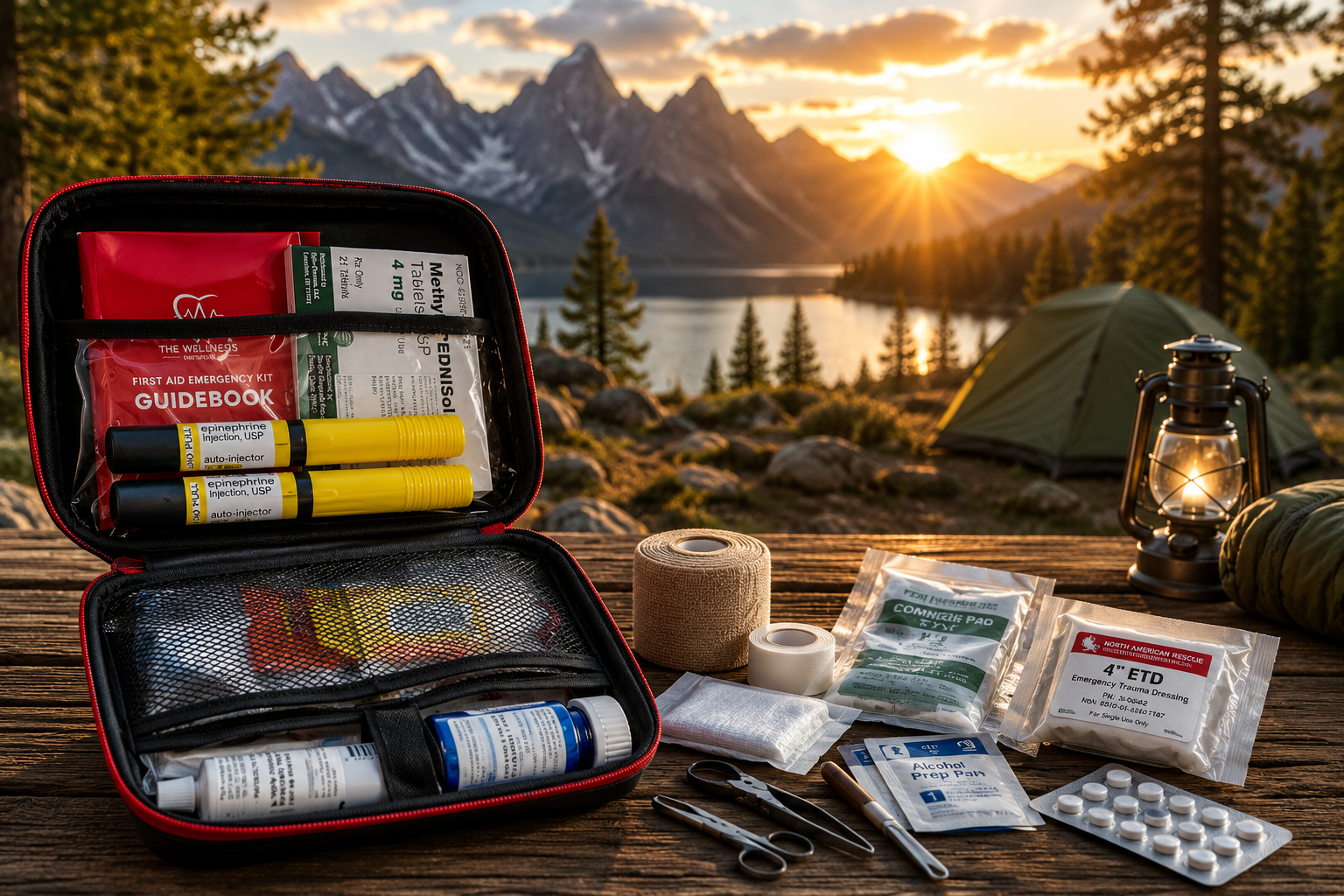
Preparedness · Emergency Care
Most households own a basic first aid kit—but very few are truly prepared. There is a difference between bandage-level preparedness and real medical readiness.
Emergencies don't wait for access to urgent care or pharmacies. They seem to happen in the most unlikely places and at the most unlikely times—from stomach flu hitting in the middle of the night to burns from a campfire while camping. Being prepared isn't just a convenience. It is necessary.
At Home
Real preparedness starts long before an emergency ever happens.
While Traveling
Distance from home shouldn't mean distance from care.
Off-Grid & Outdoors
When help is hours away, you become your own first responder.
Typical First Aid Kits Fall Short
The typical first aid kit contains bandages, antiseptic wipes, maybe a cold compress, and, if you are lucky, a package of pain relievers.
These kits often fail to address some of the most common health situations families encounter when professional care is delayed or unavailable.
What Real Medical Preparedness Looks Like
Real medical preparedness is the ability to assess, respond, and manage health situations when care is delayed or unavailable. This includes: (1)
The Core Components
- Immediate symptom relief—such as pain or fever
- Early intervention for infections, pain, or injury
- Portability and accessibility
The Three Tiers of Preparedness
Real readiness breaks down into three distinct tiers—Home-Based, Travel, and Field/Off-Grid—each with its own risks and its own toolkit.
Tier 1: Home-Based Preparedness
The most basic first steps for being prepared at home include:
Foundational Steps
- Learn CPR and basic first aid. These classes are available nationwide and could save a life. (1)
- Maintain updated medical records and medication lists. Keep this information readily available for family members and emergency responders.
- Have at least a week's worth of medications for each family member.
- Use wearable health devices if you are at risk for heart conditions, diabetes, or falls.
Have a First Aid Kit That Actually Works
- Bacterial infections, such as urinary tract infections or skin infections, can occur unexpectedly. Prescription Cephalexin (generic Keflex™) is commonly used to treat many bacterial infections and may help address symptoms before they worsen. (2)
- Allergic reactions to poison oak, poison ivy, and other skin irritants can be miserable. A prescription course of Methylprednisolone (generic Medrol™) may help relieve symptoms.* Calamine lotion and cool compresses may also help soothe itching and inflammation.*
- Dental emergencies never seem to happen during business hours. Benzocaine (generic Orajel™) may provide temporary relief for toothaches, cold sores, and canker sores until professional care is available.*
- One often-overlooked item is glucose packets for treating hypoglycemia. Low blood sugar, particularly in diabetics, can become life-threatening if not treated promptly.
- Bee and wasp stings, along with severe food allergies, can trigger life-threatening allergic reactions. Individuals with known severe allergies should keep a prescribed EpiPen® available at all times.
- Kitchen burns are extremely common. Appropriate burn care supplies may help protect damaged skin and support recovery.*
- No first aid kit is complete without bandages, bleeding-control supplies, antiseptics, steri-strip skin closures, and liquid skin adhesive. These tools can help manage minor injuries until additional care is available.*

Tier 2: Travel
For months, you planned the perfect vacation. Passport in hand, you finally arrive at your destination.
Whether by air, sea, or land, medical problems become significantly more inconvenient when you're away from home. Food poisoning, dehydration, respiratory infections, sun exposure, or unexpected allergic reactions can quickly derail your plans.
Pack powdered electrolyte solutions, water-purification tablets, sunscreen, your medications, and important health information. Keep medications and medical records with you rather than in checked luggage.
Prepare for the Unexpected
- Do you get motion sickness? Scopolamine (generic Transderm-Scop™) and Dimenhydrinate (generic Dramamine™) may help reduce symptoms and make travel more comfortable.*
- Food poisoning and traveler's diarrhea can lead to dehydration, especially in hot climates. Prescription medications such as ciprofloxacin and ondansetron may help manage symptoms and reduce the need for urgent medical visits.*
- Unfamiliar foods can sometimes cause indigestion. Over-the-counter antacids such as Tums™ may provide temporary relief.*
- Travel schedule changes can sometimes contribute to digestive issues. Appropriate over-the-counter medications may help manage symptoms.*
- Traveling across time zones can disrupt normal sleep patterns. Melatonin may help support adjustment to new sleep schedules.
- Exposure to unfamiliar foods, plants, and pollens can trigger allergic reactions. Diphenhydramine (generic Benadryl™) may help relieve mild allergy symptoms. For severe allergic reactions, prescribed epinephrine may be lifesaving. (3)
- Triamcinolone (generic Triderm™), a topical corticosteroid, may help calm irritated skin caused by allergies and environmental irritants.*
- Mupirocin (generic Centany™) is commonly prescribed for certain skin infections and may be useful when traveling.*
- Toothaches, cold sores, and canker sores often appear at the worst possible time. Benzocaine products may provide temporary symptom relief.*
- Respiratory infections and urinary tract infections can become more serious if left untreated. Cephalexin is commonly prescribed for a variety of bacterial infections and may be appropriate in certain situations under medical supervision. (4)
Tier 3: Outdoors / Off-Grid
If your plans take you far from medical facilities—or if you intentionally live off-grid—you may be your own first responder.
Having a comprehensive medical kit can be invaluable when professional care is not immediately available. Even minor injuries can become serious if left untreated.
- Deep cuts with significant bleeding can become life-threatening. Tourniquets, when properly applied, can be lifesaving. Styptic powder may help control minor bleeding.
- Certain prescription medications, including antivirals, corticosteroids, inhalers, and other physician-directed treatments, may be useful in remote settings when medical care is not immediately available.
- Tick-borne diseases continue to be a growing concern in many parts of the country. Lyme disease, Babesiosis, Anaplasmosis, and Ehrlichiosis are often treated with prescription antibiotics such as doxycycline when diagnosed appropriately. (5)
How to Build Confidence, Not Fear
Preparedness should be viewed as empowerment—not anxiety.
Potential Benefits
- Faster response times during emergencies
- Reduced stress during unexpected situations
- Greater independence and peace of mind
Practical Tips for Getting Started
Audit your current first aid kit and identify gaps based on your lifestyle.
Keep kits accessible and supplies organized.
Regularly replace expired items and educate family members on basic use and emergency procedures.
Preparedness Is a Modern Necessity
Emergencies are more common than most people realize. Preparedness is not about fear. It is about being ready for everyday disruptions and unexpected situations.
The Goal Is Simple
Move from reactive health management to proactive preparedness—at home, on the road, and off the grid.
Featured Product

First Aid Emergency Kit
More Than a First Aid Kit—It's Emergency Readiness
Built for the exact scenarios covered in this article, this kit includes prescription medications, a generic EpiPen® option, and the supplies real preparedness calls for—at home, on the road, or off the grid.
Shop NowReferences
- American Red Cross. (n.d.). Make a first aid kit: What to include. https://www.redcross.org/get-help/how-to-prepare-for-emergencies/anatomy-of-a-first-aid-kit.html
- WebMD. (n.d.). Cephalexin (Keflet, Keflex, Keftab) - Uses, side effects, and more. Retrieved June 18, 2026, from https://www.webmd.com/drugs/cephalexin-keflex
- Dalal R, Grujic D. Epinephrine. [Updated 2024 Nov 23]. In: StatPearls [Internet]. Treasure Island (FL): StatPearls Publishing; 2026 Jan-. Available from: https://www.ncbi.nlm.nih.gov/books/NBK482160/
- Cephalexin: Uses, dosage, side effects. (n.d.). Drugs.com. Retrieved June 18, 2026, from https://www.drugs.com/cephalexin.html
Author
These statements are for educational purposes only and are not intended to diagnose, treat, cure, or prevent any disease. Individual results may vary. Prescription medications should be used only under the supervision of a licensed healthcare provider and according to approved prescribing guidelines.


