


View Featured Categories
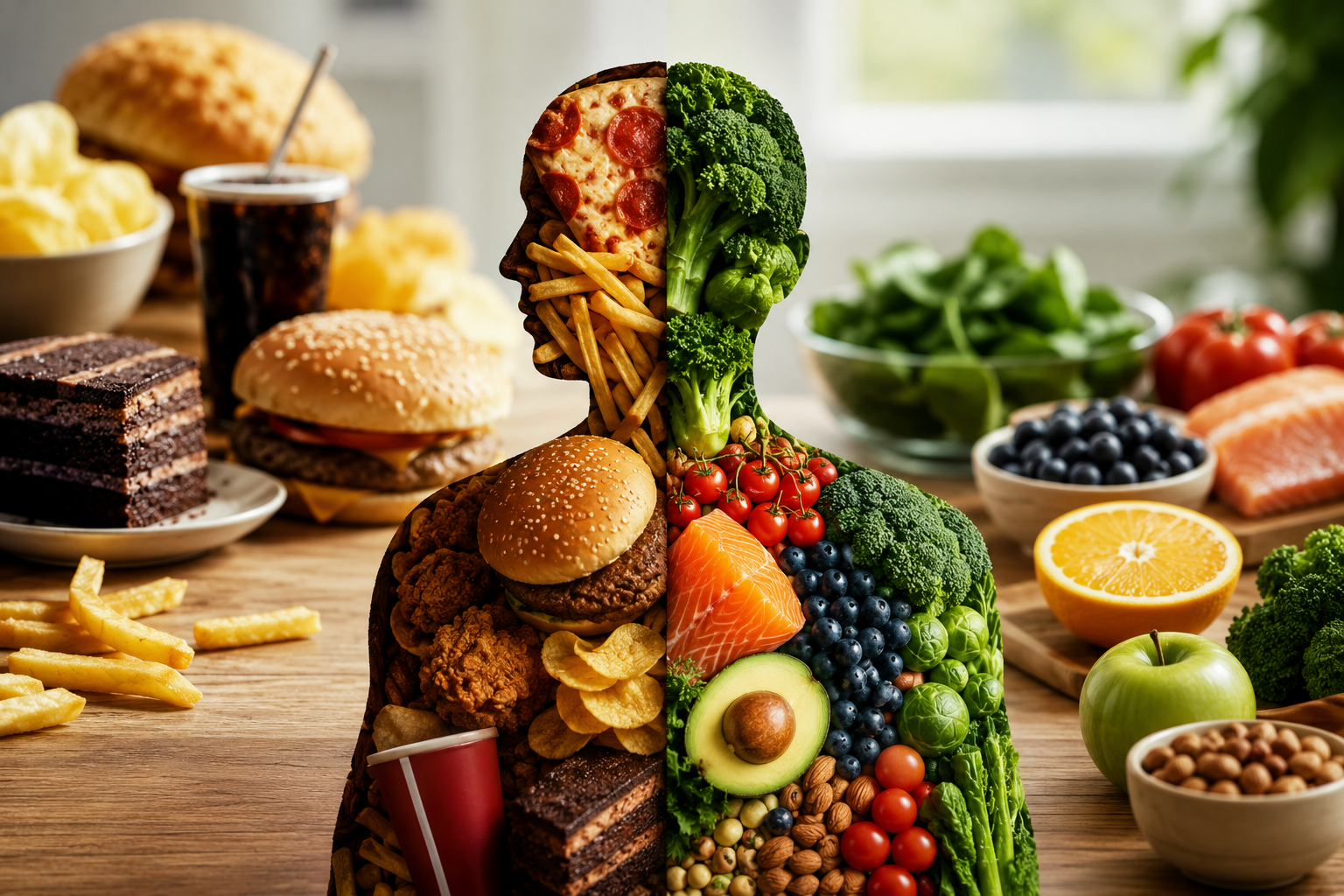
Is It True You Are What You Eat? Not Necessarily


Nutrition · Metabolism · Weight Management
Managing weight isn't just about gaining or losing pounds. Inside the numbers on the scale is a balance of what the body is holding on to or letting go of.
If calories were the only part of the equation, the formula would be simple—and it would work. But complex systems within the body determine ideal weight, driven by sex, age, hormones, stress levels, health conditions, medications, activity level, exposure to environmental toxins, and, of course, diet. It all starts with understanding how your body utilizes the calories you take in. This is called the basal metabolic rate.
Basal Metabolic Rate
The foundation of weight management starts with your basal metabolic rate (BMR) and energy utilization:
BMR
The amount of energy your body needs at rest to perform essential life-sustaining functions—cell metabolism, circulation, breathing, temperature regulation, and brain and organ activity. (1)
Energy Utilization
The way the body uses energy from food to fuel metabolic processes, physiological functions, muscular activity, heat production, growth, and tissue synthesis. BMR provides about 45–70% of daily energy expenditure; physical activity accounts for much of the rest. (2,3)
Factors That Drive Metabolism
What drives metabolism is a complex set of highly individualized variables. Some of the most common are:
Age
As we get older, our basal metabolic rate naturally declines—in part due to changes in hormone levels, body composition, and cellular efficiency. This age-related drop means we typically burn fewer calories at rest than we did in youth, even if our weight hasn't changed.
Muscle Mass
Muscle tissue is metabolically active, so having more lean mass increases how many calories you burn at rest. Losing muscle—through aging or inactivity—lowers resting metabolic rate and can make weight maintenance more challenging.
Cortisol Levels (4)
Sitting on top of the kidneys are the adrenal glands—the producers of cortisol, a steroid hormone that plays an essential role in regulating blood pressure, suppressing inflammation, the sleep-wake cycle, and stress responses.
When cortisol levels run too high, through stress or other factors, the body may respond with:
- Weight gain from increased appetite
- Muscle weakness in the upper arms and thighs
- High blood sugar that, if unresolved, can progress to type 2 diabetes
- High blood pressure
Liver Function (5)
The liver is a central metabolic hub, processing nutrients, detoxifying substances, and managing carbohydrate and fat metabolism. When liver function is impaired or chronically stressed—by excessive alcohol or fatty liver disease, for example—metabolic regulation becomes dysregulated, increasing the risk of insulin resistance and other metabolic problems.
Mitochondrial Efficiency (6)
Mitochondria are the cell's powerhouses, converting nutrients into usable energy (ATP). Their performance strongly influences how efficiently the body uses calories. Thyroid hormones, oxidative stress, and aging can all modulate mitochondrial function—shaping metabolic rate, fatigue levels, and susceptibility to metabolic disease.
2 Micronutrients Critical for Metabolic Health: B Vitamins and Magnesium
There are literally hundreds of elements involved in weight management. B vitamins and magnesium are two that are vital. (7,8)
B Vitamins
B vitamins work together to help your body turn carbohydrates, fats, and proteins into usable energy and to make red blood cells. They also support healthy brain and nerve function, including mood, memory, and DNA repair.
Magnesium
Magnesium helps power hundreds of reactions that turn carbs and fats into energy. Low magnesium can slow your metabolism and cause fatigue. It also helps insulin work properly, keeping blood sugar steadier—which can lower cravings and make weight gain less likely.
Physical Activity and NEAT
Resistance Training (9)
Resistance training is a form of physical activity where muscles contract against an external resistance—like weights, bands, machines, or body weight—to improve strength, endurance, and muscle size. It supports weight management by preserving and building metabolically active lean muscle, which raises resting energy expenditure and improves body composition. It also increases post-exercise calorie burn and helps target fat mass, particularly when combined with appropriate nutrition. For raw calorie expenditure, however, aerobic activity expends more energy.
Non-Exercise Activity Thermogenesis (NEAT) (10)
NEAT is the energy your body expends on all physical activities that are not sleeping, eating, or structured exercise—the calories burned through everyday movements like walking, standing, and low-intensity activities that accumulate across the day. NEAT can meaningfully affect weight management over time.
Appetite Regulation: Understanding Hunger and Satiety Signals (11,12)
- Ghrelin and leptin: Ghrelin is a stomach-derived hormone that rises before meals to stimulate hunger, while leptin is released from fat tissue to signal energy sufficiency and promote satiety.
- Peptide YY (PYY) and cholecystokinin (CCK): Gut hormones released after eating that slow gastric emptying and act on the brain to reduce appetite and enhance feelings of fullness.
- Blood sugar stability: Stable blood sugar supports smoother appetite signals, so hunger develops gradually and matches true energy needs. Large glucose and insulin swings can provoke rapid hunger, cravings, and overeating.
Protein, Fiber, and the Gut-Brain Axis (13)
Both protein and fiber slow the digestive process, making you feel fuller longer. Ultra-processed foods are engineered to promote overeating—packed with sugar, addictive chemicals, and heavy marketing. Even seemingly healthy granola or protein bars can be junk food in disguise. Read your labels.
The Microbiome's Influence on Cravings and Hunger
The microbiome can play a significant role in appetite control. Akkermansia, one member of the microbiome community, is known to help with appetite regulation and metabolic disorders. Another key player is butyrate—a short-chain fatty acid (SCFA) produced in the large intestine when beneficial gut bacteria ferment indigestible dietary fibers and resistant starches. Butyrate aids in weight management by reducing fat storage, increasing energy expenditure, suppressing appetite through gut-brain signaling, and improving overall metabolic health.
Mindful vs. Emotional Eating
Mindful Eating
Maintaining full, non-judgmental awareness of your physical sensations, thoughts, and feelings while consuming food activates the parasympathetic nervous system, lowering cortisol and allowing the "rest and digest" response to kick in. Eat in a calm environment, free of distracting or upsetting stimuli.
Emotional Eating
Stress triggers cortisol spikes, which cause the body to crave sugar. Eating simple carbohydrates floods the body with dopamine and serotonin, temporarily blunting cortisol—creating a positive feedback loop that leads to weight gain over time.
The Overlooked Driver of Weight Regulation: Hormones (14)
- Insulin (15): Signals the brain to reduce food intake and promotes glucose uptake and fat storage. With insulin resistance, cells sense "low energy," which can drive overeating and weight gain.
- Cortisol (16): Acute stress can briefly suppress appetite, but chronic high cortisol tends to increase appetite, cravings for energy-dense foods, and central fat gain—especially when it disrupts sleep.
- Thyroid hormones (17): Raise basal metabolic rate and fat oxidation. Low levels tend to slow metabolism and promote weight gain; high levels increase both appetite and energy expenditure.
- Estrogen (18): Suppresses appetite and enhances satiety, while progesterone can increase appetite. Loss of estrogen in perimenopause removes some appetite inhibition, contributing to higher intake and weight gain.
- Testosterone (19): Supports lean mass and higher resting energy expenditure. Low levels favor fat gain, whereas higher androgens in women may stimulate appetite compared with estrogen's more suppressive effect.
Thyroid Function: Master Regulator of Metabolism
Thyroid hormones act as master regulators of metabolism, controlling how quickly cells use energy and how mitochondria produce ATP. Both an underactive thyroid (hypothyroidism) and an overactive thyroid (hyperthyroidism) can significantly alter metabolic rate, affecting energy, weight, and overall metabolic health.
Endocrine disruptors—including PCBs, phthalates, bisphenol A, brominated and perfluorinated chemicals—can affect thyroid function. These are found in fire-retardant clothing, nonstick pans, plastic water bottles, and even bromated flour used in baking. Because of their widespread use, they are nearly impossible to fully avoid.
Probiotic blends containing species such as S. boulardii, B. longum, and L. rhamnosus, among others, have shown promise in supporting the liver, kidney, and spleen while reducing inflammation in these organs. Evidence suggests these probiotic species may bind to environmental toxins and microplastics, supporting their excretion. (20,21)
Sleep and Weight Regulation (22,23,24,25)
What Happens When You Don't Sleep Enough
- Short sleep lowers leptin, so you feel less full and tend to eat more.
- Short sleep raises ghrelin, so you feel hungrier and crave high-calorie foods.
- Ongoing poor sleep raises cortisol, which boosts appetite and can promote weight gain over time.
- Getting about 7–9 hours of quality sleep most nights helps keep leptin, ghrelin, and cortisol in a healthier range, which can reduce overeating and cravings.
Weight Loss Drugs: An Option Worth Considering
Medications that mimic natural appetite suppressants—such as the GLP-1 class—may be an option for some individuals struggling with weight loss. These are available by prescription only.
GLP-1 Medications: Mechanisms, Benefits, and Considerations
- GLP-1 drugs slow gastric emptying, leading to a feeling of satiety.
- GLP-1 drugs are available as both injectable and oral formulations.
When should you consider a GLP-1 medication?
- Diabetes or prediabetes
- Clinically obese (BMI over 30), or BMI of 27 with metabolic syndrome, after prior weight loss strategies have been unsuccessful
GLP-1 vs. Dual GLP-1 + GIP Medications (26,27,28,29,30)
| GLP-1 Medication | GLP-1 + GIP Dual Medication | |
|---|---|---|
| Hormones targeted | GLP-1 only | Both GLP-1 and GIP |
| Main actions | Lowers blood sugar, cuts appetite, slows stomach emptying | All of the above, plus extra support with insulin and fat metabolism |
| Weight loss | Helps many people | Often leads to greater average weight loss |
| A1C change | Lowers A1C (about 1–1.5 points) | Can lower A1C even more (up to ~2–2.5 points in trials) |
Some newer medicines, such as tirzepatide, act on both GLP-1 and GIP simultaneously. GIP adds extra benefit by improving how the body releases insulin and uses or stores fat. These combination drugs can lower A1C more than GLP-1 alone.
Oral GLP-1 medications like tirzepatide in pill or gum form tend to produce slower weight loss—allowing the body to gradually adjust. This approach is associated with:
- Better preservation of lean body mass
- Greater decreases in fat mass
- A more improved metabolic profile overall
Limitations and Considerations
No drug, no matter how promising, is without side effects. Your practitioner will determine if these medications are right for you.
More Common
- Nausea and loss of appetite
- Vomiting, diarrhea, or constipation; bloating, gas, indigestion, or belly discomfort
- Headache, dizziness, fatigue, mild increased heart rate
- Injection-site reactions: mild redness, itching, or tenderness
Less Common
- Gallbladder issues: gallstones or biliary problems
- Pancreatitis, causing significant upper abdominal pain often radiating to the back
- Possible delayed gastric emptying/gastroparesis and, rarely, bowel obstruction
- Potential increased risk of medullary thyroid carcinoma (primarily from animal data)
- Worsening diabetic retinopathy in some patients with rapid glycemic improvement
Weight Loss Is Highly Individualized
Age, sex, hormones, activity level, stress, overall health, and habits all play an integrative role in the weight loss journey. In most cases, there is no single, simple solution. Viewing weight management holistically sets you up for long-term success.
Featured Product
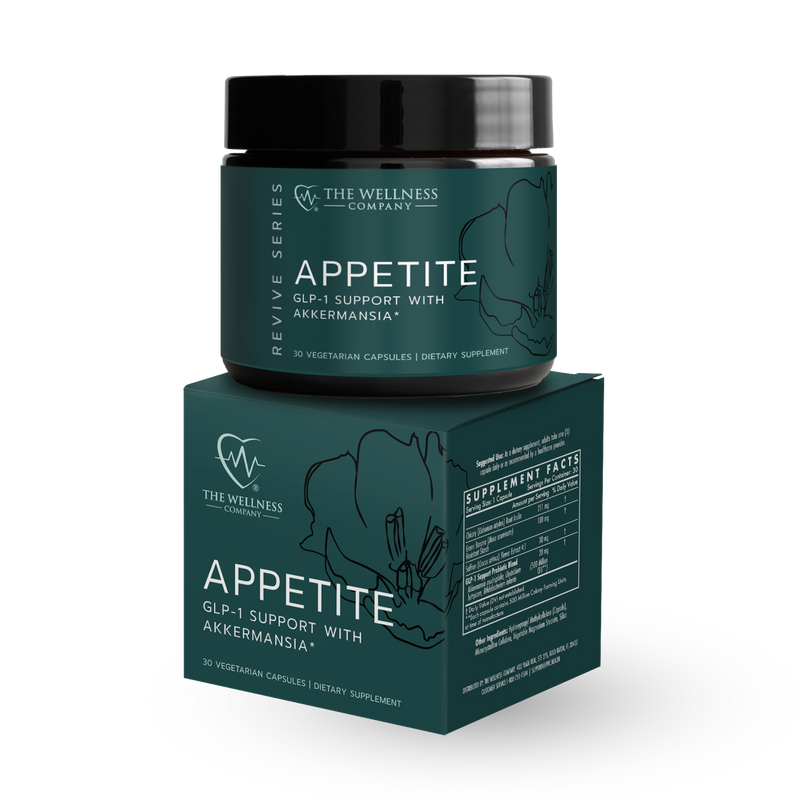
Appetite — Supplement
A Natural Way to Boost GLP-1 and Curb Cravings*
Combining Akkermansia, key probiotics, prebiotic foods, and Saffron, Appetite is formulated to support the gut-brain axis—the same system discussed throughout this article.*
Shop NowYou Might Also Be Interested In
Effects of Sleep Deprivation on Weight Gain
The Simplest Thing You Can Do to Eat Better — No Calorie Counting Required
The Diabetes Drug Trending on TikTok: Understanding the Ozempic Fad
References
- McNab BK. What determines the basal rate of metabolism? J Exp Biol. 2019;222(Pt 15):jeb205591. https://doi.org/10.1242/jeb.205591
- Pontzer H. Energy expenditure in humans: Principles, methods, and changes throughout the life course. Annual Review of Nutrition. 2024;44:1–25. https://doi.org/10.1146/annurev-nutr-062122-031443
- National Academies of Sciences, Engineering, and Medicine. Factors affecting energy expenditure and requirements. In: Guideline on Counseling to Promote Sustained Weight Loss for Adults with Obesity (Chapter 4). The National Academies Press; 2023. https://www.ncbi.nlm.nih.gov/books/NBK591031/
- Johns Hopkins Medicine. Adrenal glands. 2021. https://www.hopkinsmedicine.org/health/conditions-and-diseases/adrenal-glands
- Rui L. Energy metabolism in the liver. Comprehensive Physiology. 2014;4(1):177–197. https://doi.org/10.1002/cphy.c130024
- Sagliocchi S, Restolfer F, Cossidente A, Dentice M. The key roles of thyroid hormone in mitochondrial regulation, at interface of human health and disease. J Basic Clin Physiol Pharmacol. 2024;35(4-5):231–240. https://doi.org/10.1515/jbcpp-2024-0108
- An P, Luo Y, Yang A, Li J. Micronutrients and metabolic diseases [Editorial]. Frontiers in Nutrition. 2024;11:1381415. https://doi.org/10.3389/fnut.2024.1381415
- Sarria B, Vázquez-Llovo R, Fernández-Aparicio Á, Gil Á. Essential micronutrients in children and adolescents with a high risk of obesity. Yeungnam University Journal of Medicine. 2023;40(1):1–13.
- Bellicha A, van Baak MA, Battista F, et al. Effect of exercise training on weight loss, body composition changes, and weight maintenance in adults with overweight or obesity. Obesity Reviews. 2021;22 Suppl 4:e13256. https://doi.org/10.1111/obr.13256
- Levine JA. Non-exercise activity thermogenesis (NEAT). Best Pract Res Clin Endocrinol Metab. 2002;16(4):679–702. https://doi.org/10.1053/beem.2002.0227
- Murphy KG, Bloom SR. Gut peptides regulating satiety. Endocrinology. 2004;145(6):2660–2665. https://doi.org/10.1210/en.2003-1608
- Carreiro AL, Dhillon J, Gordon S, et al. The macronutrients, appetite, and energy intake. Annual Review of Nutrition. 2016;36:73–103. https://doi.org/10.1146/annurev-nutr-121415-112624
- Yeung AY, Tadi P. Physiology, obesity neurohormonal appetite and satiety control. StatPearls Publishing; 2023.
- https://journals.physiology.org/doi/10.1152/ajpendo.1996.271.2.E209
- https://pmc.ncbi.nlm.nih.gov/articles/PMC3018785/
- https://bio.libretexts.org/Workbench/Human_Physiology:_A_Students_Open_Path_to_Understanding_the_Body/23:_Endocrine_Regulation_of_Metabolism_Growth_and_Mineral_Balance/23.03:_23.3_Thyroid_Hormones_and_Basal_Metabolic_Rate
- https://inne.io/blogs/the-blog/hormones-and-appetite
- https://pubmed.ncbi.nlm.nih.gov/22281161/
- Schwarz J, et al. Sleep, hormones, and weight. In: An Ecological Approach to Obesity and Eating Disorders. Pressbooks; 2011:105–122.
- Bazeli J, Banikazemi Z, Hamblin MR, Sharafati Chaleshtori R. Could probiotics protect against human toxicity caused by polystyrene nanoplastics and microplastics? Front Nutr. 2023;10:1186724. https://doi.org/10.3389/fnut.2023.1186724
- Fu F, Chen Y, Luo H, Ruan H. Micro/nanoplastics induce thyroid follicular cell pyroptosis to trigger thyrotoxicity by activating NF-κB signaling. Annals of Medicine. 2026;58(1):2624175. https://doi.org/10.1080/07853890.2026.2624175
- Knutson KL, Van Cauter E. Associations between sleep loss and increased risk of obesity and diabetes. Ann N Y Acad Sci. 2011;1231(1):287–304.
- Stanford Medicine. Stanford study links obesity to hormonal changes from lack of sleep. 2025, June 30.
- Taheri S, Lin L, Austin D, Young T, Mignot E. Short sleep duration is associated with reduced leptin, elevated ghrelin, and increased body mass index. PLoS Medicine. 2004;1(3):e62.
- Seino Y, Fukushima M, Yabe D. GIP and GLP-1, the two incretin hormones: Similarities and differences. J Diabetes Investig. 2010;1(1-2):8–23. https://doi.org/10.1111/j.2040-1124.2010.00022.x
- Holst JJ. GIP and GLP-1, the two incretin hormones. Diabetes, Obesity and Metabolism. 2010;12(s2):9–21.
- Nauck MA, Meier JJ. GIP as a therapeutic target in diabetes and obesity. J Clin Endocrinol Metab. 2020;105(8):e2710–e2726.
- Dahl D, et al. The role of tirzepatide, dual GIP and GLP-1 receptor agonist, in the management of type 2 diabetes. Diabetes, Obesity and Metabolism. 2020;23(1):1–12.
- Rubino DM, et al. Efficacy and safety of the dual GIP and GLP-1 receptor agonist tirzepatide for the treatment of obesity. Int J Obes. 2023;47(7):1205–1214.
- Fella Health. What is GIP and GLP-1: Incretin hormones explained. 2025, November 10. https://www.fellahealth.com/guide/what-is-gip-and-glp-1
Author
*These statements have not been evaluated by the Food and Drug Administration. This product is not intended to diagnose, treat, cure, or prevent any disease. This blog is not intended to diagnose or treat any disease or health condition. Before starting any diet program or supplement, consult with your primary care provider.


