


View Featured Categories
You Have a 1 in 19 Chance of Getting This Cancer


Health · Cancer Awareness
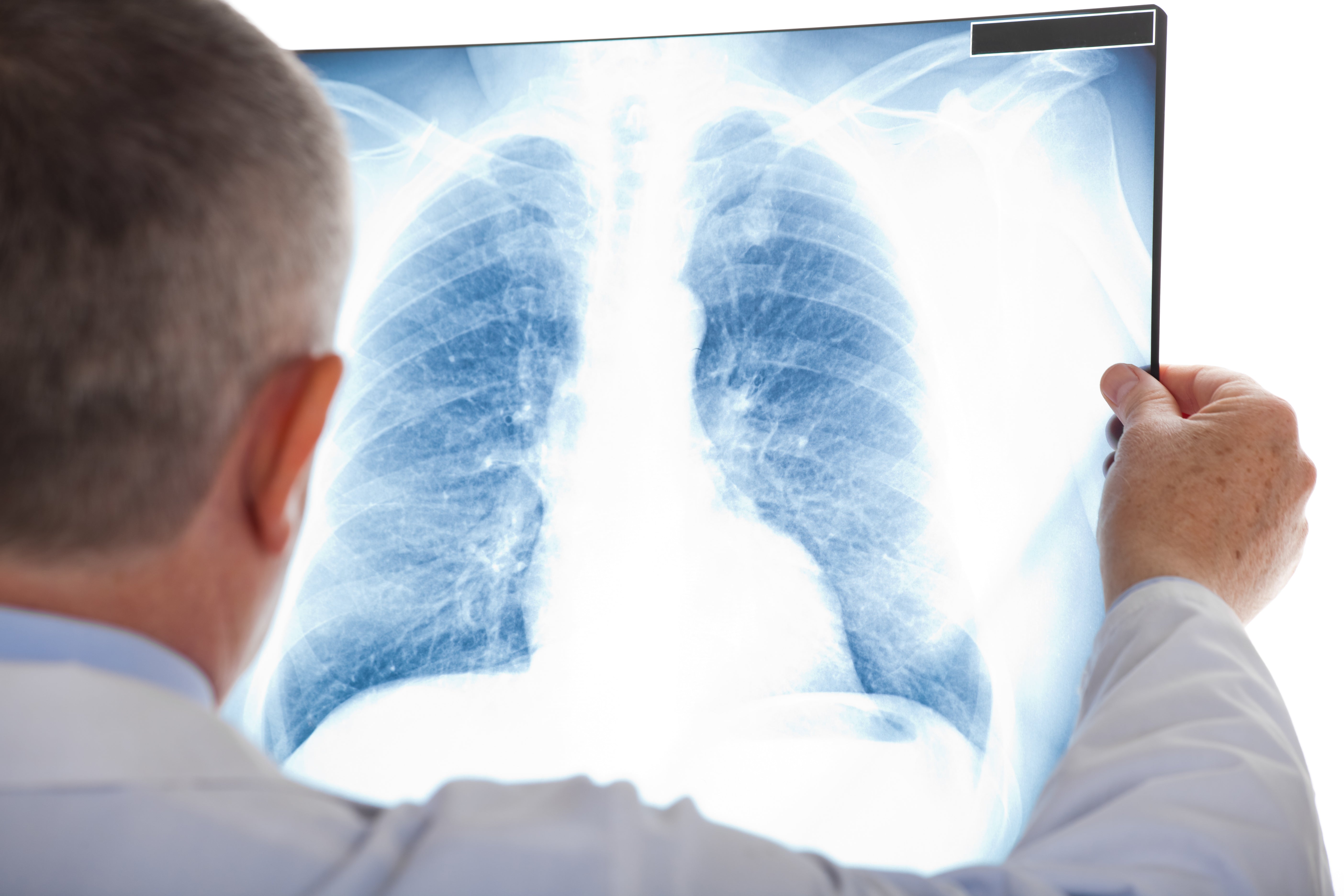
Lung cancer is the second most common cancer in the United States — trailing only breast cancer in women and prostate cancer in men. Yet when it comes to mortality, no other cancer claims more lives. Understanding the scope of this disease, its many forms, causes, and emerging treatment options is essential for anyone concerned about long-term health.
The statistics are sobering. An estimated 229,410 new cases of lung cancer are diagnosed each year — 110,910 in men and 118,500 in women — with deaths reaching approximately 124,990 annually. According to the CDC, lung cancer kills more people than any other cancer. A study spanning 2018–2022 found that nearly half of all lung cancers were diagnosed only after they had already metastasized, spreading well beyond their original site.
 (American Cancer Association image)
Early detection, awareness of risk factors, and knowledge of both conventional and emerging therapies can make a critical difference. Here is what everyone should know.
Types of Lung Cancer
Lung cancer is divided into two primary categories: small-cell lung cancers and non-small-cell lung cancers. Each behaves differently and requires distinct treatment approaches.
Small-Cell Lung Cancer
- Small-cell lung carcinoma — Develops deep in the bronchi and is highly aggressive. Also called "oat cell lung cancer" due to its appearance under a microscope; frequently spreads to other organs.
- Combined small-cell lung carcinoma — Less common; contains both small-cell and non-small-cell carcinoma cells.
Non-small cell lung cancer (NSCLC) accounts for approximately 80 percent of all lung cancers. It is generally slower-growing and slower to spread than small-cell cancer, though it encompasses several distinct subtypes.
Adenocarcinoma
Arises in the outer regions of the lung; develops in epithelial cells that line body surfaces and form glands.
Squamous Cell Carcinoma
Found in the center of the lung, adjacent to the bronchus.
Large Cell Carcinoma
Faster-growing and faster-spreading than squamous cell or adenocarcinoma types.
Pancoast Tumors
Rare tumors growing in the upper lung that can interfere with surrounding structures. May also arise from tuberculosis or lymphoma.
Neuroendocrine Tumors
Uncommon and slow-growing; made of specialized cells combining nerve and gland features. Typically treated with surgery.
Causes and Risk Factors
Lung cancer begins with DNA damage that triggers uncontrolled cell division, forming tumors capable of invading surrounding tissues and spreading throughout the body. While smoking remains the most widely recognized risk factor, the full picture is considerably broader.
Known Risk Factors
- Cigarette smoking and secondhand smoke exposure
- Radon gas accumulation in homes and buildings (home test kits are widely available; mitigation is typically inexpensive)
- Inhaled asbestos and industrial pollutants
- Environmental toxins that cause DNA mutations
- Family history or inherited genetic mutations
- Prior radiation therapy to the chest
- Arsenic in drinking water
- Microplastics (increasingly recognized as a major health hazard linked to lung cancer and systemic inflammation)
- High-dose beta carotene supplementation in smokers (dietary beta carotene from food sources remains safe and health-promoting)
- Average age at diagnosis is 70; men carry slightly higher risk than women
Conventional Therapies
Treatment is guided by cancer type, stage, and the patient's overall health. The oncology team will typically draw from a range of options — sometimes in combination — to achieve the best possible outcome.
Surgery
Removal of cancerous tissue via wedge resection, lobectomy, or full lung removal depending on location and stage.
Radiation Therapy
High-energy beams directed at tumors; used before or after surgery, or for symptom relief in advanced cases.
Chemotherapy
Oral or IV drugs administered before surgery or in advanced-stage treatment post-surgery; often combined with radiation (chemoradiotherapy).
Targeted & Immune Therapy
Drugs that inhibit specific cancer drivers; anti-angiogenic therapy blocks tumor blood supply, often combined with chemotherapy.
Interventional Procedures
Options include photodynamic therapy, thermal ablation, electrocautery, cryotherapy, and airway stenting to relieve obstruction and manage symptoms.
Emerging & Non-Conventional Therapies
A growing body of research is examining antiparasitic drugs for their potential anti-cancer properties. Two agents — ivermectin and mebendazole — have attracted particular scientific interest due to their ability to target multiple cancer-relevant biological pathways simultaneously.
Ivermectin — Key Research Findings
- May reduce lung cancer metastasis by slowing epithelial-mesenchymal transition (EMT), the process by which cancer cells become more mobile and invasive
- Activates apoptosis — the cell death pathway that triggers damaged cells to self-destruct
- Blocks proteins central to several major cancer signaling pathways, including those involved in lung cancer
- May reduce the likelihood of drug resistance due to its multi-pathway targeting mechanism
- Demonstrated a synergistic effect when combined with erlotinib, a chemotherapy drug used in lung cancer treatment
- In animal studies, reduced the incidence of melanoma metastasis to the lungs
Mebendazole — Key Research Findings
- Induces apoptosis in cancerous cells while leaving healthy lung tissue unaffected
- Inhibited lung cancer cell growth fivefold compared to controls in clinical study review
- Carries a high safety profile with minimal side effects
The Bottom Line on Lung Cancer
Lung cancer remains the leading cancer killer in the United States, yet it is one of the most preventable and increasingly treatable forms of the disease. Knowing your risk factors — from smoking and radon to microplastics and genetic history — is the first line of defense. Beyond conventional treatment, emerging research into ivermectin and mebendazole offers genuine promise for patients seeking additional options. Talk openly with your oncology team, ask about clinical trials, and never stop advocating for access to the full range of available therapies.
Featured Product

References
- American Cancer Society. (2024). Cancer Facts & Figures 2024. American Cancer Society.
- Centers for Disease Control and Prevention. (2024). Lung Cancer Statistics. CDC.
- Centers for Disease Control and Prevention. (2024). Radon in the Home. CDC.
- National Cancer Institute. (2024). Lung Cancer — Risk Factors. NCI.
- Research on microplastics and cancer risk. Various sources, 2022–2024.
- National Cancer Institute. (2024). Beta Carotene and Cancer Prevention. NCI.
- American Cancer Society. (2024). Treating Lung Cancer. American Cancer Society.
- Zhang, X. et al. (2021). Ivermectin, a potential anticancer drug derived from an antiparasitic drug. Pharmacological Research.
- Pantziarka, P. et al. (2014). Repurposing Drugs in Oncology — mebendazole as an anti-cancer agent. Ecancermedicalscience.
Author
Disclaimer: This article is for informational purposes only and does not constitute medical advice. Always consult a qualified healthcare professional before making any changes to your treatment plan, including the use of off-label medications or supplements. The information presented regarding ivermectin and mebendazole reflects early-stage and animal research; these treatments are not FDA-approved for cancer and should only be considered under the direct supervision of a licensed physician.
Always consult with your primary care physician and oncology team before taking any supplement or off-label medication, as these may affect the efficacy of your existing treatment or cause unintended harm.


