


View Featured Categories
Can Natural Supplements Help Prevent Cancer?


Cancer Care · Prevention & Lifestyle
Can Natural Supplements Help Prevent Cancer?
This is one of the most searched questions in health — and one of the most important to answer honestly.
Short answer: some compounds show genuine promise in cancer prevention research. No supplement prevents cancer. Those two statements are both true — and the difference matters enormously.
What Prevention Research Actually Shows
Vitamin D. The VITAL study found that vitamin D3 supplementation reduced cancer mortality by 17% overall, and by 25% among participants who took it for more than two years. (1)
Curcumin. The active compound in turmeric has been extensively studied for its anti-inflammatory and antioxidant properties. Laboratory and animal studies show consistent effects on cancer cell lines. Human trials are more limited but ongoing. (2)
Omega-3 fatty acids. Long-chain omega-3s have been associated with reduced risk of colorectal and breast cancer in large observational studies. Their anti-inflammatory mechanism is well-established and relevant to cancer biology. (3)
Green tea extract (EGCG). Epigallocatechin gallate has shown antiproliferative effects in multiple cancer cell lines and has been studied in clinical trials for leukemia and prostate cancer prevention. (4)
Where the Evidence Gets Complicated
Beta-carotene supplementation was thought to reduce lung cancer risk — until large trials found it actually increased risk in smokers. (5) Vitamin E in high doses showed similar unexpected results in prostate cancer prevention trials. These aren’t reasons to distrust all supplements — they’re reasons to respect the complexity of cancer biology.
Compounds With the Strongest Prevention Evidence
- Vitamin D3 — 17–25% reduction in cancer mortality in randomized trial
- Omega-3 fatty acids — anti-inflammatory; associated with reduced colorectal risk
- Curcumin — strong preclinical evidence; human trials ongoing
- Green tea extract (EGCG) — antiproliferative effects; studied in clinical trials
What Prevention Actually Looks Like
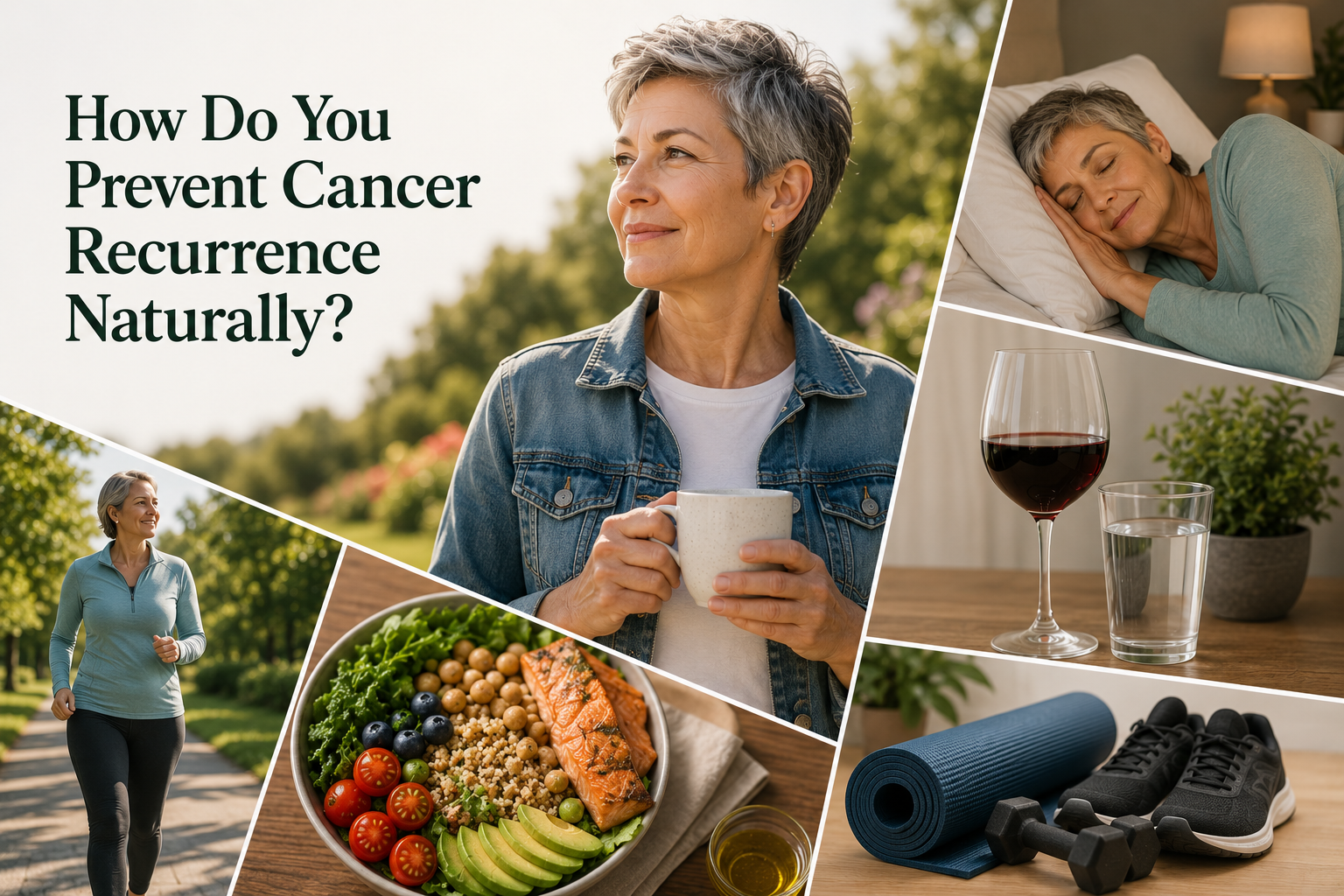
The most evidence-backed cancer prevention strategies are lifestyle-based: not smoking, maintaining a healthy weight, regular physical activity, limiting alcohol, and eating a diet high in vegetables, fruits, and whole grains. Supplements work best as additions to that foundation, not substitutes for one.
The Honest Bottom Line
No supplement prevents cancer. Some compounds — particularly vitamin D, omega-3s, and certain plant-based compounds — have genuine evidence supporting their role in reducing risk. Choose based on evidence, not marketing. Build your supplement strategy on top of the lifestyle foundations that matter most.

Supplements / Immune Support
Natural Immunity — Chief Medical Board Formula
Recommended by TWC’s Chief Medical Board, Natural Immunity combines Vitamin C (1,000mg), Zinc, Quercetin, Oil of Oregano, Bilberry, and Reishi mushroom — a comprehensive botanical formula for daily immune resilience and antioxidant defense.
Shop NowYou Might Also Be Interested In
References
- Manson, J. E., et al. (2019). Vitamin D supplements and prevention of cancer and cardiovascular disease. NEJM, 380(1), 33–44.
- Gupta, S. C., Patchva, S., & Aggarwal, B. B. (2013). Therapeutic roles of curcumin. AAPS Journal, 15(1), 195–218.
- Larsson, S. C., et al. (2004). Dietary long-chain n-3 fatty acids for the prevention of cancer. Am J Clin Nutr, 79(6), 935–945.
- Yang, C. S., et al. (2009). Cancer prevention by tea. Nature Reviews Cancer, 9(6), 429–439.
- Omenn, G. S., et al. (1996). Effects of a combination of beta carotene and vitamin A on lung cancer. NEJM, 334(18), 1150–1155.
Author
This article is for informational purposes only and does not constitute medical advice. No supplement prevents cancer. Always consult your healthcare provider before starting any supplement regimen.


